
Navigating the Landscapes of Egypt
A dedicated space for the thoughtful traveller into Egypt. We strip away commercial noise to focus on authentic geography, environmental diversity, and cultural context — clear, actionable data for a respectful and enriching journey.
Geographical Diversity of the Nile Valley
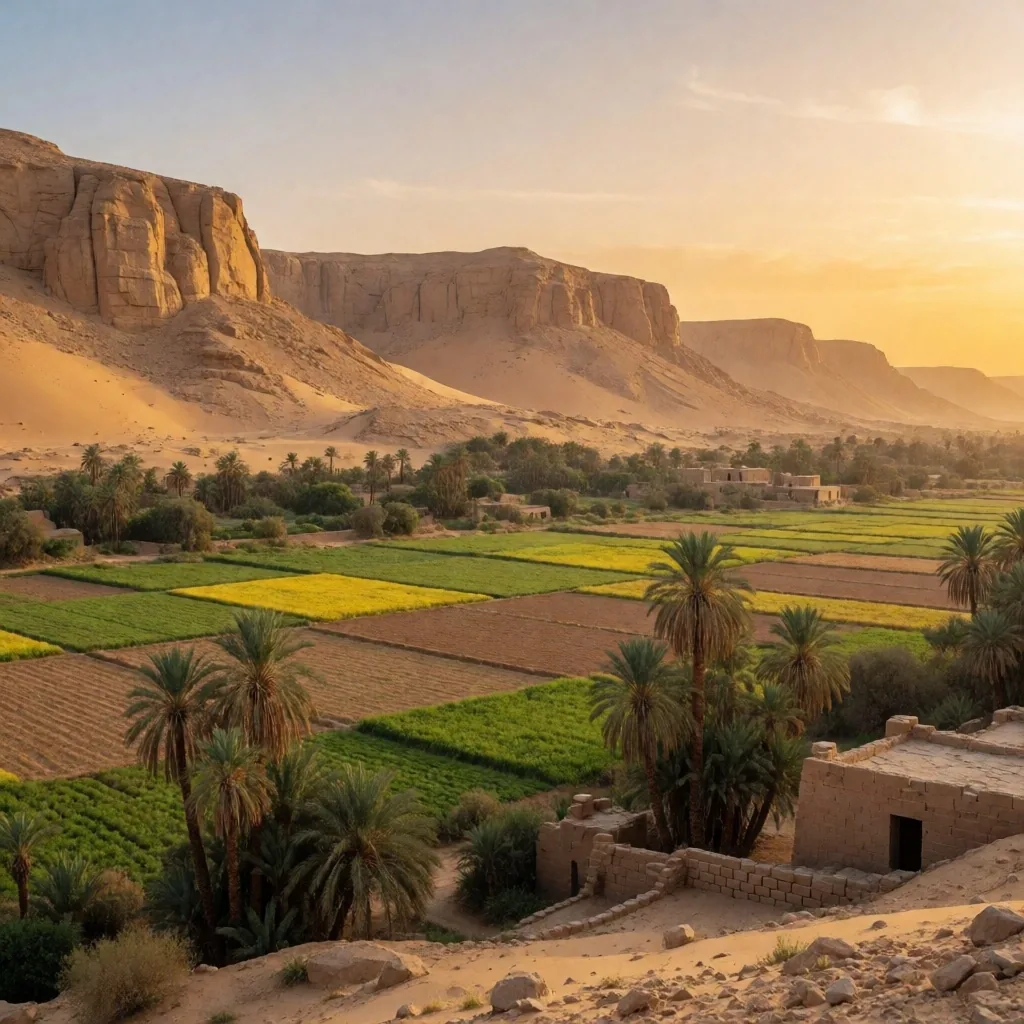
The Nile River serves as the lifeblood of the nation, creating a fertile green corridor that contrasts sharply with the surrounding arid plateaus. Travelers moving through this region encounter a transition from the delta's agricultural expanses to the narrower, cliff-bound valleys of the south.
Understanding this north-south orientation is fundamental for any egypt travelling guides, as it dictates local climate variations and the availability of resources. The valley is a functioning agricultural zone where traditional farming methods persist alongside modern irrigation.
The Coastal Influence
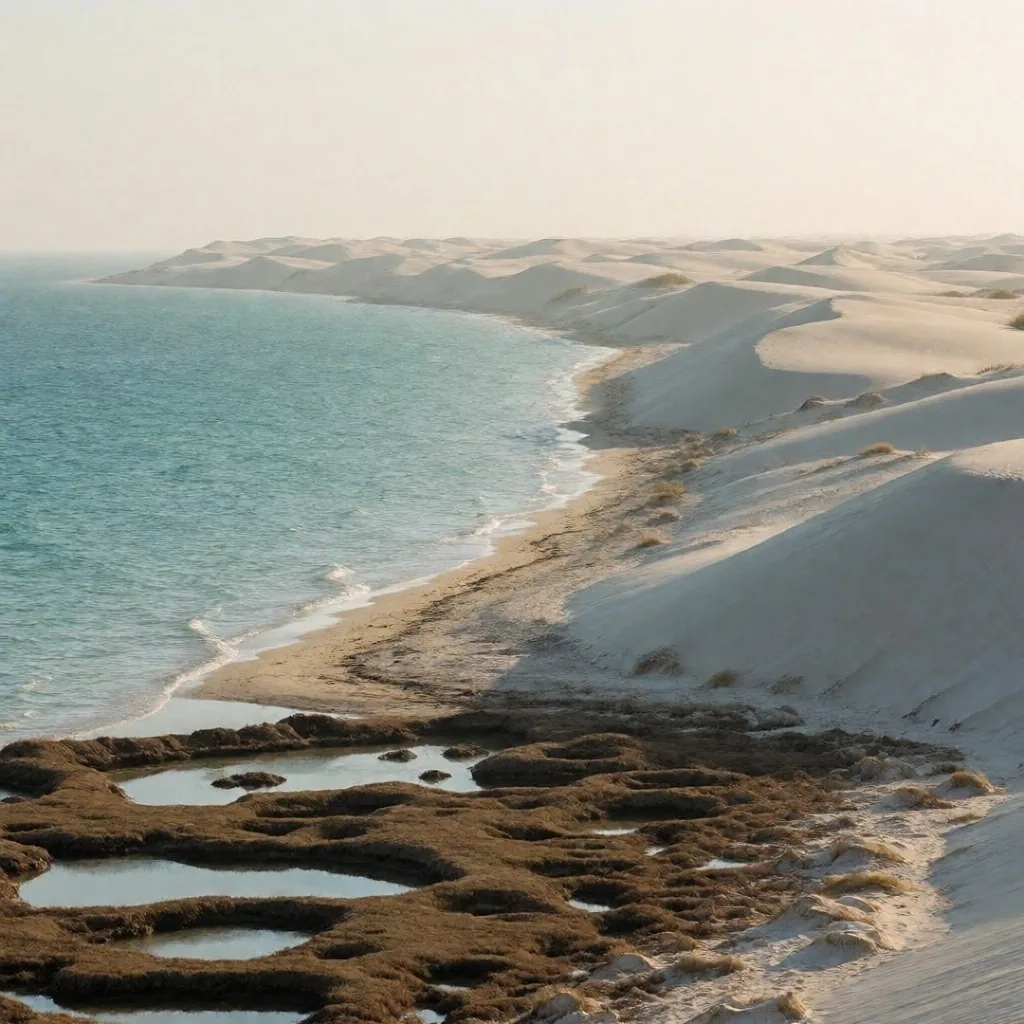
Egypt is uniquely positioned between two seas — the Mediterranean to the north and the Red Sea to the east. The northern coast offers a temperate climate with cooler winters and humid summers, characterized by white sand and low-lying salt marshes.
The eastern coastline is defined by rugged mountains meeting crystal-clear waters, where the focus shifts to marine biodiversity and coral ecosystems. Navigating these two distinct maritime environments requires different packing strategies and seasonal timing.
Inland Horizons and Oasis Life
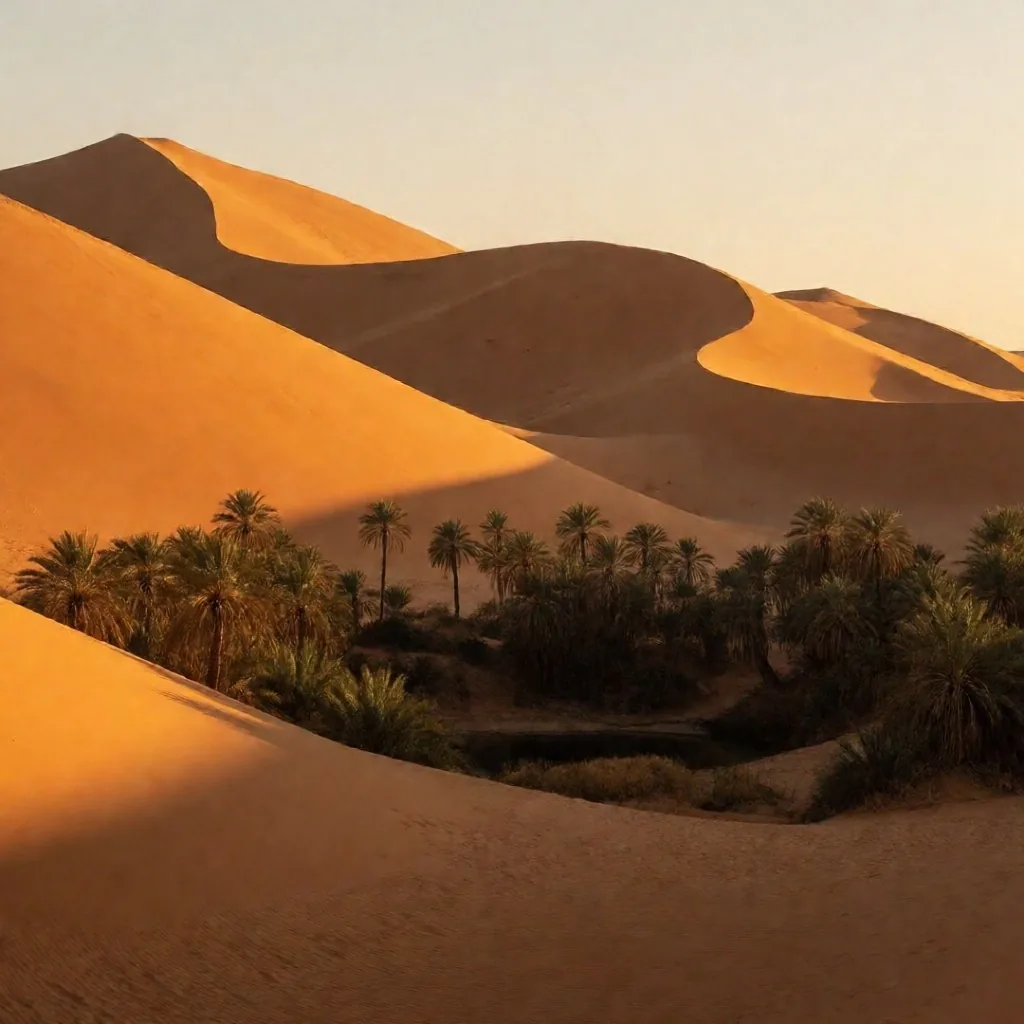
Beyond the river banks lies the vast expanse of the Eastern and Western Deserts. These areas are home to isolated communities centered around natural springs and artesian wells. Oases such as Siwa and Bahariya represent a different pace of life where date palms and olive groves provide the primary shade and sustenance.
Travelers heading inland must respect the fragility of these desert ecosystems and the specific social structures of the people who maintain them. Water is scarce, shade is precious, and the rhythm of daily life follows the sun rather than the clock.
Seasonal Weather Patterns
Weather in Egypt is generally categorized into a hot summer and a mild winter, but regional nuances are significant. Planning a visit involves tracking these shifts to ensure outdoor activities align with the safest and most comfortable thermal windows.
Cultural Anchors and Respectful Presence
Engaging with local communities requires an understanding of social hierarchy and religious observation. Public behavior is generally conservative, and an awareness of this helps the traveller into Egypt move through both urban and rural spaces without causing unintentional offense.
We emphasize the importance of modest attire and soft-spoken communication in public squares and residential neighborhoods. Observing these norms facilitates smoother interactions and opens doors to genuine local hospitality.
Dress modestly in religious and residential areas — shoulders and knees covered for all visitors.
Ask before photographing people, especially in rural communities and near places of worship.
Use your right hand for eating, greeting, and exchanging items — a sign of respect across the region.
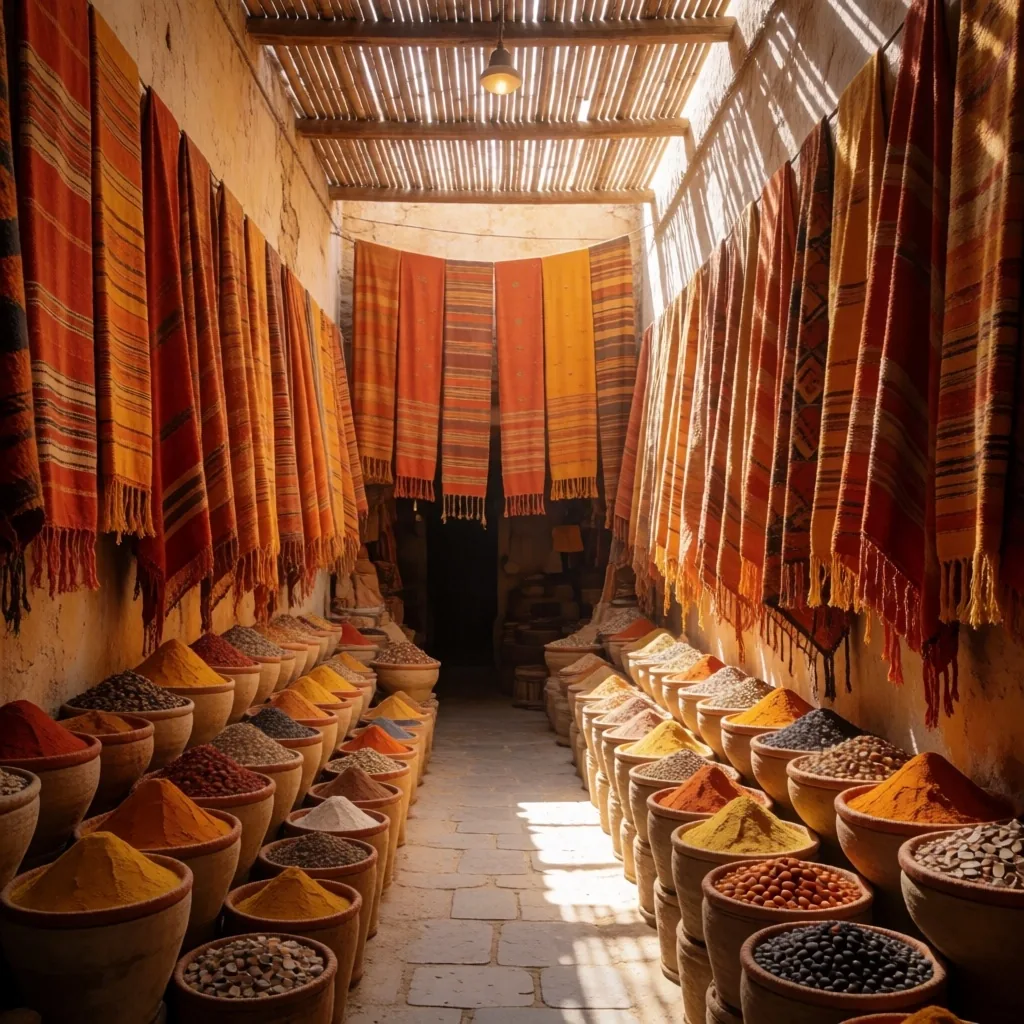
The Role of Local Markets
Traditional markets — souks — are the central nervous system of Egyptian commerce and social life. These spaces are organized by trade, with specific alleys dedicated to textiles, spices, or household hardware.
Navigating these markets is an exercise in patience and social grace rather than just a transaction. Visitors should observe the rhythm of the market before engaging, noting how locals interact and the specific times of day when activity peaks or lulls for prayer and rest.
Mornings bring fresh produce and bread. Late afternoon sees the spice and textile stalls at their busiest. As the call to prayer sounds, the market briefly quiets before resuming with a different, more conversational energy.
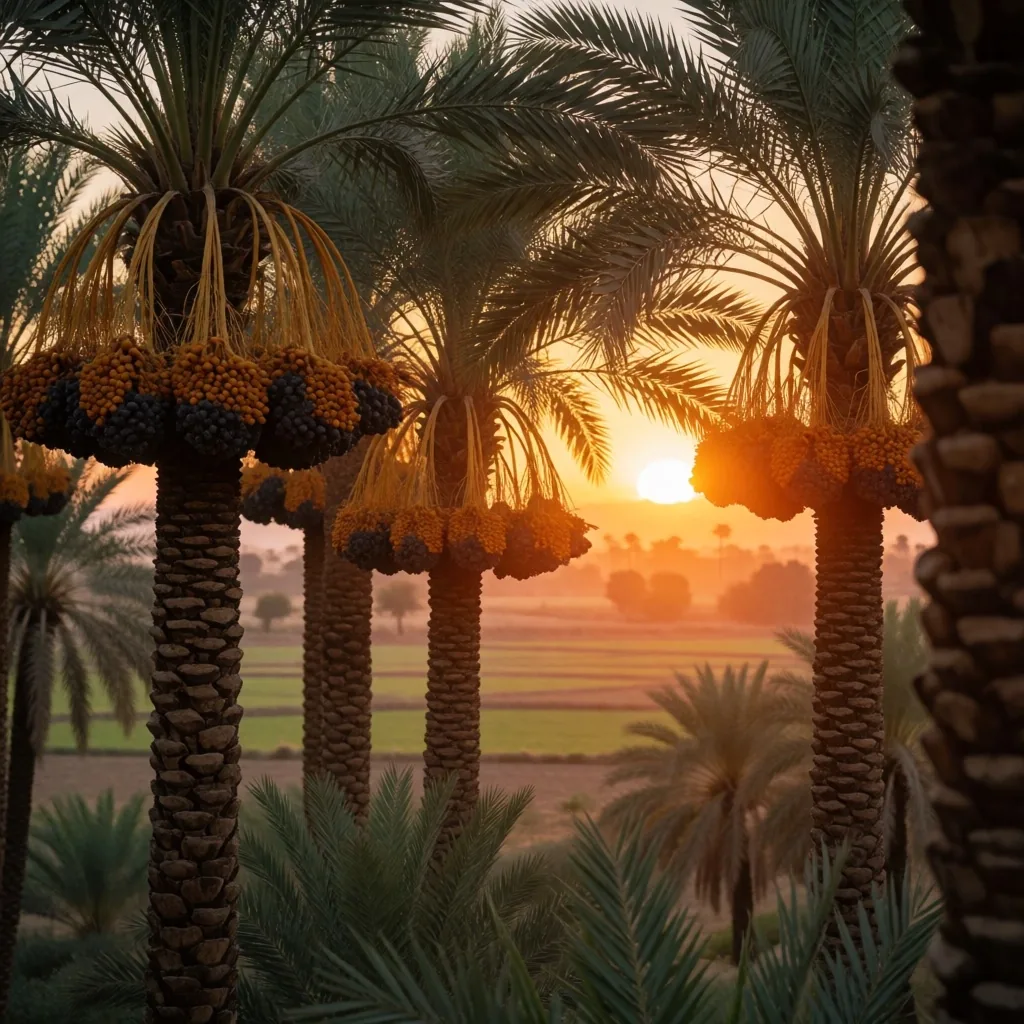
The Ubiquitous Palm
The date palm is the defining visual marker of the Egyptian horizon, serving as both a source of food and a vital provider of shade. In the Nile Delta and the southern oases, these trees are managed with precision, reflecting centuries of agricultural knowledge.
Beyond their utility, they represent the resilience of the local environment. Any traveller into Egypt will find their presence a constant companion — whether lining city boulevards, marking the edge of a desert spring, or standing in ordered rows across a delta farm.
- 01 Palm groves in the delta are privately owned and actively farmed — stay on marked paths.
- 02 In oases, palm shade defines rest stops — locals gather under the canopy during peak heat.
- 03 Do not remove dates from low-hanging clusters — they are part of the local harvest cycle.
Hydration and Environmental Health
Staying hydrated is a primary concern in the arid Egyptian climate, yet it must be balanced with environmental consciousness. Tap water in major cities is treated but often carries a high mineral content that may be unfamiliar to foreign systems.
We recommend relying on high-quality filtration or reputable local bottling sources while minimizing plastic waste where possible. Understanding the heat index is vital — dehydration can occur rapidly even when the sun does not feel particularly oppressive, especially in dry desert air.
Carry water on any journey longer than 30 minutes outside an urban center.
Salt and electrolytes matter as much as volume — add packets or tablets to your kit.
Symptoms of heat exhaustion set in before you feel thirsty — headaches and dizziness mean stop and rest.
Navigation Without Official Labels
Finding your way through Egyptian cities often relies on landmarks rather than strict street numbering. Locals use recognizable buildings, large trees, or specific squares to orient themselves.
Our travel guides suggest adopting this mindset — learn the names of major districts and geographic markers. This approach reduces reliance on digital maps that may not always reflect the reality of temporary road changes or local traffic flows.
Note the nearest major square or landmark — drivers navigate by these, not street numbers.
Keep a printed card from your accommodation — showing the address in Arabic resolves most navigation gaps.
For longer routes, our getting-around guide covers intercity transit and local options.
The Soundscape of the City
Egyptian urban centers are famous for their sensory density, particularly the auditory environment. From the rhythmic calls to prayer echoing from minarets to the constant hum of transit and street vendors, the soundscape is a vital part of the atmosphere.
New arrivals often find this overwhelming at first, but learning to distinguish the different layers of sound provides a deeper understanding of the city's daily cycle. Early mornings are typically the quietest, offering a different perspective on the architecture and street life.
Connectivity and Communication
Mobile connectivity is robust in urban areas and along major transit corridors, but drops off significantly in the deep desert. For those relying on egypt travelling guides for real-time navigation, securing a local SIM card is a standard practical step.
English is widely understood in tourist-centric areas, though learning basic Arabic greetings is highly recommended for those venturing into less frequented governorates. Communication is often high-context — body language and tone carry as much weight as the words themselves.
Respecting Protected Areas
Egypt has several designated protectorates, ranging from maritime parks to geological wonders in the desert. These areas are governed by strict regulations to prevent environmental degradation and the poaching of natural resources.
Visitors are expected to follow leave-no-trace principles, especially in sensitive zones like the White Desert or the Sinai highlands. Protecting these landscapes ensures that the natural beauty of the region remains intact for future generations of travelers.
Architectural Harmony and Modernity
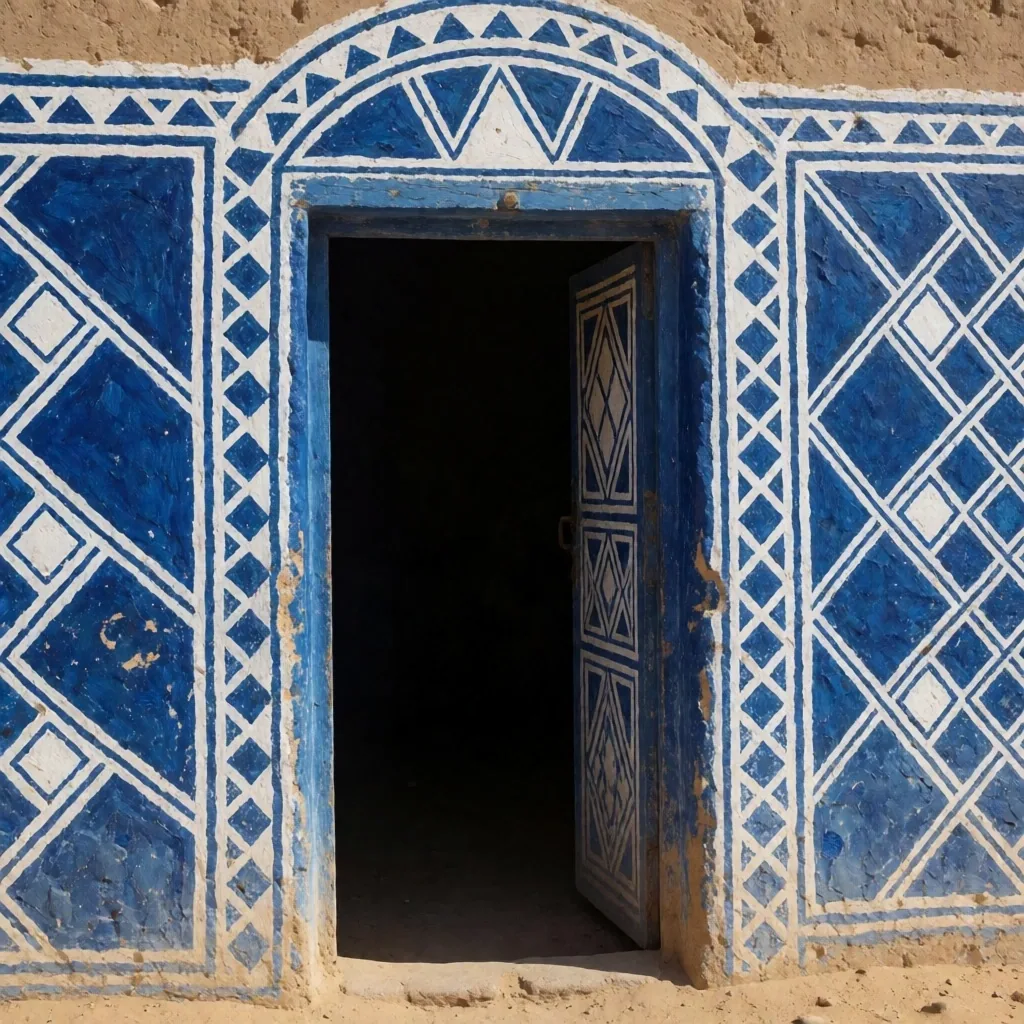
The built environment in Egypt is a mix of ancient tradition and rapid modern expansion. In rural areas, mud-brick structures designed for thermal mass are still common, while cities like Cairo are seeing massive infrastructure projects.
Observing how new developments integrate — or clash — with the natural topography provides insight into the country's current trajectory. This architectural evolution reflects Egypt's role as a bridge between historical legacy and future ambition.
Preparing Your Mindset
Ultimately, traveling through Egypt requires a degree of flexibility and a willingness to embrace the unexpected. Schedules may shift, and the heat may dictate a slower pace than originally planned.
Approaching the experience with curiosity rather than a rigid itinerary allows for a more authentic connection to the land and its people. Use our resources to build a foundation of knowledge, then let the horizon guide your actual path.
36FJ+824, Sekat Koshek, Rod Al Farag Al Balad, Rod El Farag, Cairo Governorate 4340102, Egypt
Phone: +201211121507
Email: [email protected]
Monday – Sunday
08:00 – 20:00 local time