Coastal Destinations
Egypt's Coastal Retreats: From the Mediterranean to the Red Sea
Egypt is flanked by two distinct maritime worlds. The northern Mediterranean coast brings seasonal rhythm and soft sandy beaches, while the Red Sea coast to the east runs year-round with vibrant marine life and a rugged mountain backdrop. This guide walks through the natural features and atmosphere of each shoreline, helping you choose the coast that fits your travel style.
Orientation
Two Coasts, Different Rhythms
For the traveller into Egypt planning a coastal stop, the Mediterranean and Red Sea shores offer fundamentally different environments. The north follows a seasonal clock, busiest in summer when locals flee the inland heat. The Red Sea stays warm and active all year, drawing snorkelers and divers even in January. Use the comparison below as a starting point, then read the detailed regional sections that follow.
Feature
Mediterranean Coast
Red Sea Coast
Best Months
When the shore is at its most inviting
June through September. Sea is calm, air is humid and cooler than the interior.
Year-round. Water stays warm even in winter months; summer afternoons can be very hot.
Landscape Character
What meets the eye at the shoreline
Fine white sand, turquoise shallows, and flat coastal plains. Limestone cliffs toward the far west.
Desert mountains drop straight into deep water. Coral reefs fringe the coast; sand is coarser and golden.
Marine Life
What you see beneath the surface
Moderate visibility. Sandy seabed with limited coral; some fish near rocky stretches.
Exceptional clarity (often 20–30 meters). Extensive coral gardens, tropical fish, turtles, and dolphins.
Crowds & Pace
How busy the shore feels
Packed in peak summer, especially the central Sahel. Quieter at the western and eastern edges.
Varies by town. Hurghada is busy; Safaga and Marsa Alam are quieter; southern Sinai camps are near-empty.
Road Access
Getting there from Cairo
Three to five hours by road to the central Sahel; six to seven to Marsa Matrouh on the far west coast.
Five hours to Hurghada; longer to Safaga and Marsa Alam. Sinai requires crossing plus additional driving time.
Road times are approximate and assume dry conditions. Coastal roads can see heavy traffic on summer weekends.
North Coast / Sahel
Mediterranean Shore
The North Coast Experience
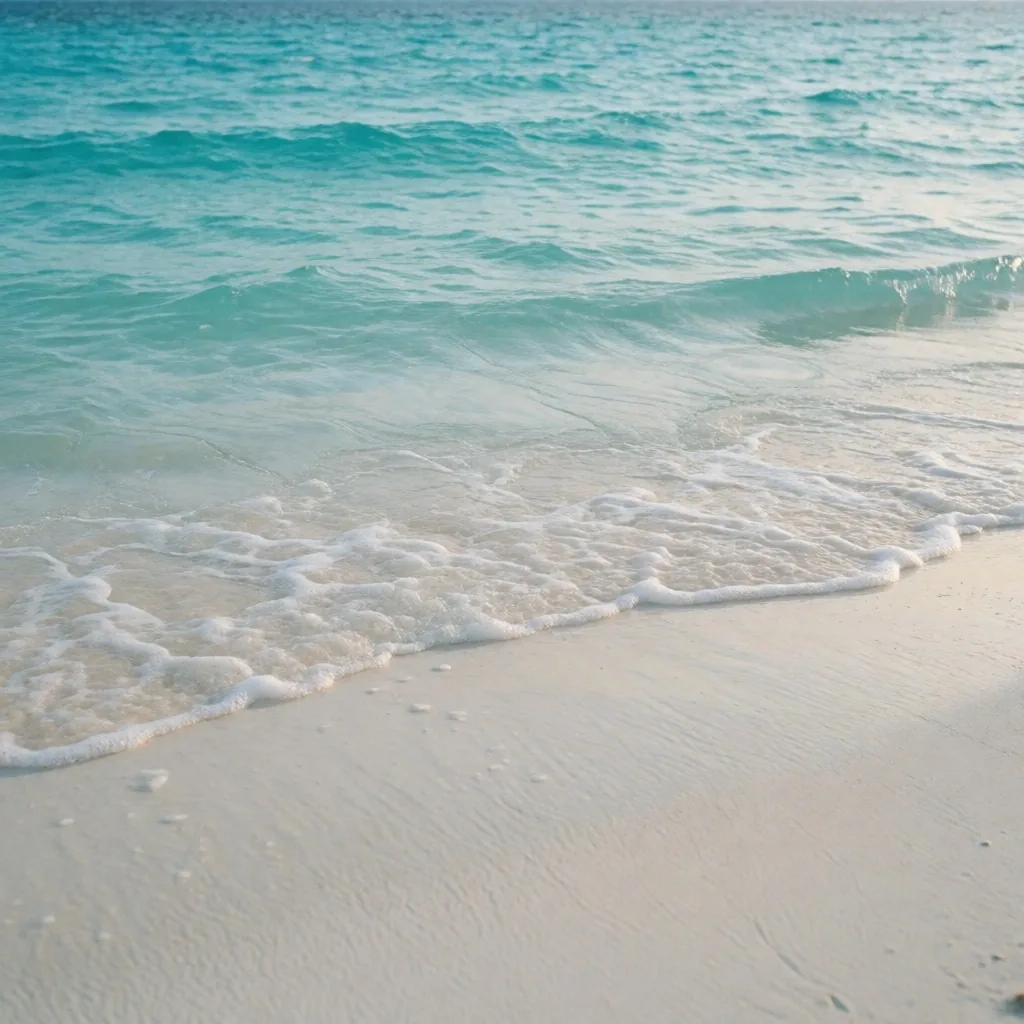
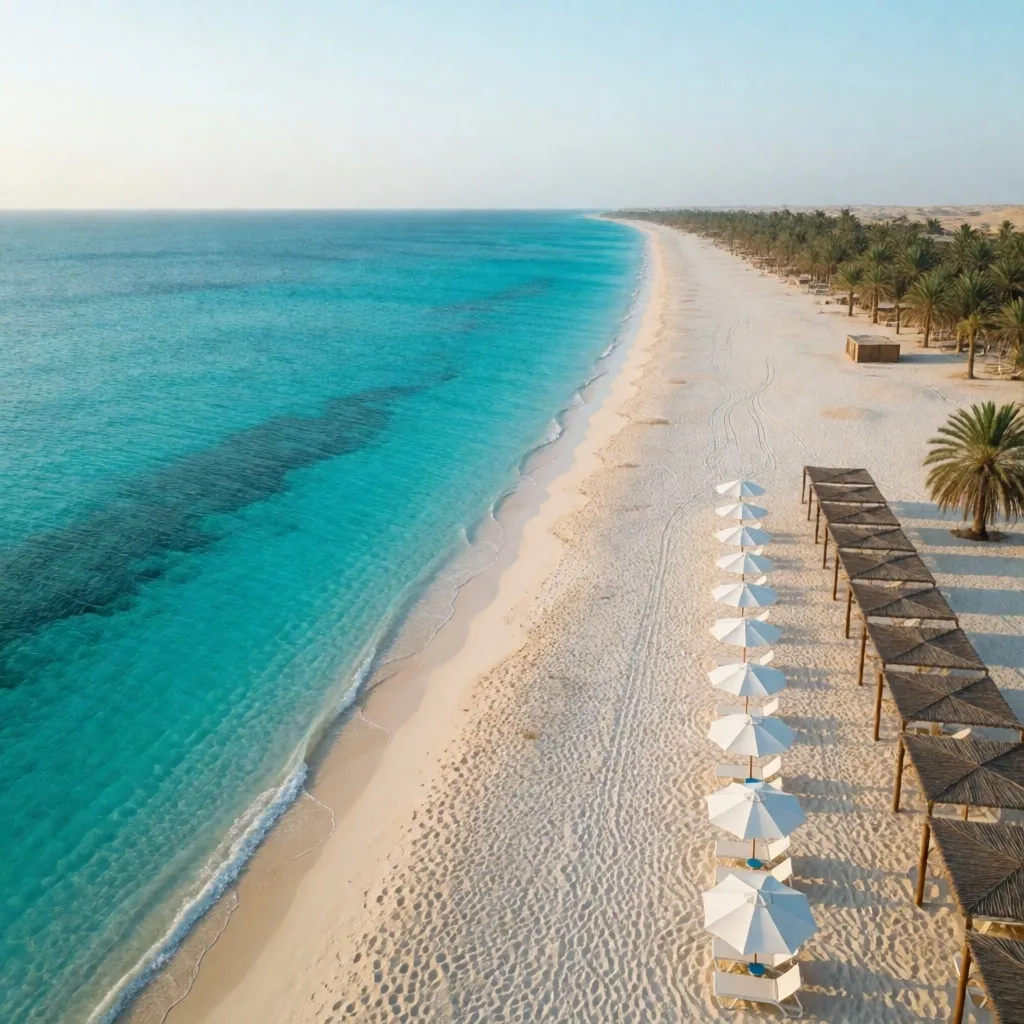
The Mediterranean coastline, stretching from Alexandria west to Marsa Matrouh, is the traditional summer escape for Egyptians. The sea here is a striking shade of turquoise, and the beaches are composed of fine white sand. Unlike the Red Sea, this region experiences distinct seasons, with peak activity between June and September. The air is cooler and more humid than the interior, making it an ideal retreat when Cairo and the Nile Valley face extreme summer temperatures.
If you arrive between October and May, expect quiet beaches, overcast skies at times, and a noticeable drop in sea temperature. Some facilities along the central Sahel shut down entirely in the off-season. The western stretches near Marsa Matrouh stay wilder and less developed year-round.
Urban Waterfront
Alexandria's Corniche
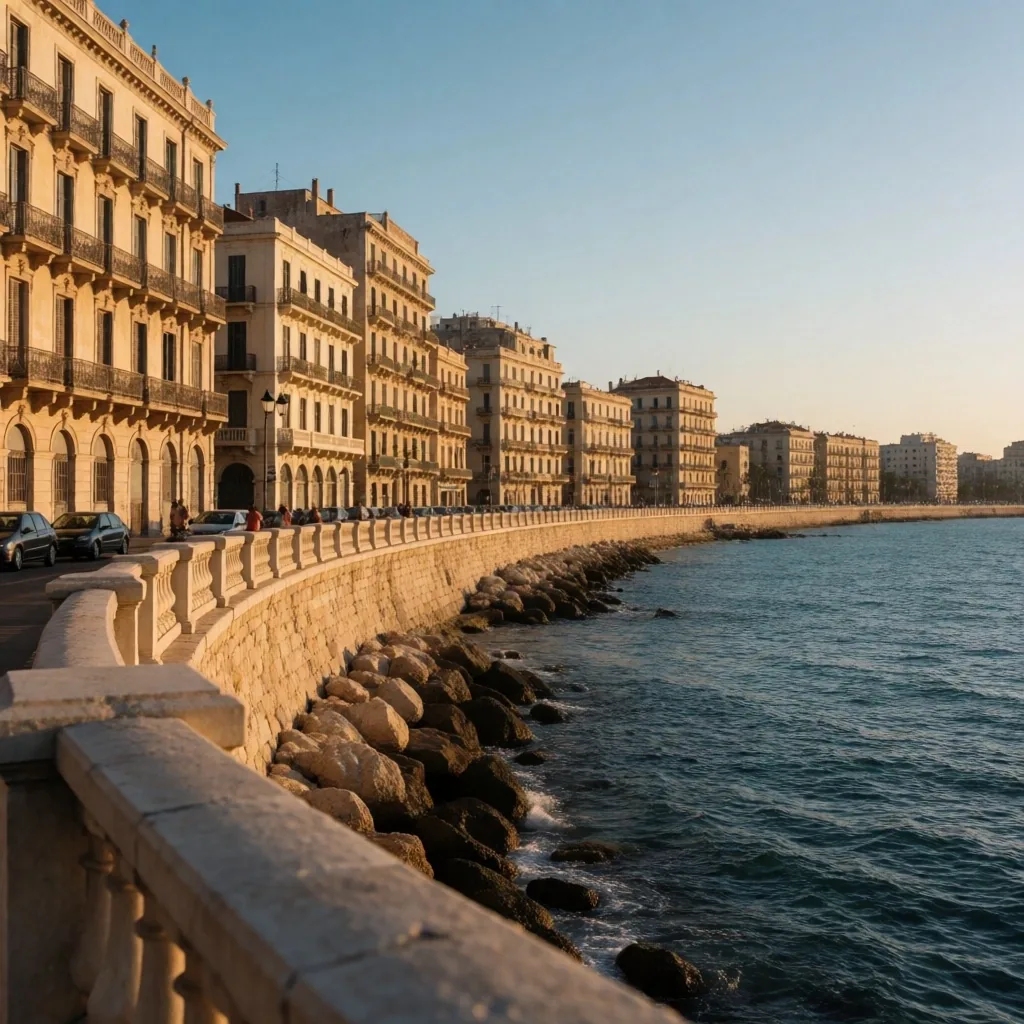
Alexandria offers a blend of maritime atmosphere and dense urban history. The Corniche, a long waterfront promenade, is the city's heart, where the sea breeze meets the scent of roasting coffee and fresh seafood. Beaches within the city are often crowded, but they provide a front-row seat to local life. The city's relationship with the Mediterranean reveals a culture that is distinctly more Levantine and cosmopolitan than the Nile Valley.
If you want a quieter swim, head to the beaches west of the city center — Montaza and Mamoura have wider stretches of sand and more greenery, though they still fill up on summer weekends. The water along the central Corniche is deep and rocky, suited more for a walk and a coffee than a proper swim.
Marsa Matrouh
The Far North & Hidden Lagoons
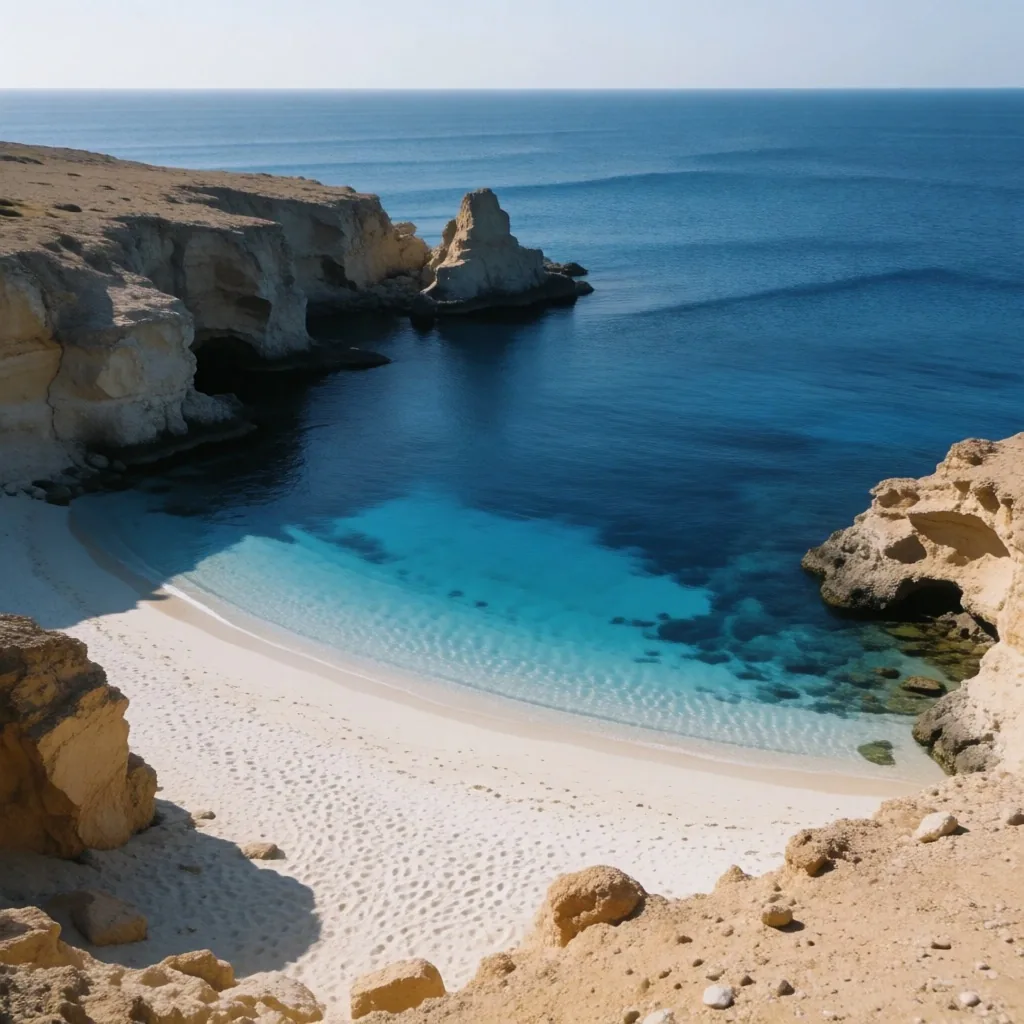
Further west toward the Libyan border lies Marsa Matrouh, home to some of the most pristine natural lagoons in North Africa. The waters of Agiba Beach are framed by high limestone cliffs, creating a secluded and dramatic landscape. This area is less developed than the central North Coast, offering a quieter experience for those willing to travel the extra distance. The local culture here has strong Bedouin influences, reflected in the food and traditional crafts found in the city's markets.
Cleopatra's Beach, a short drive from the city center, features a natural rock pool said to be a bathing spot of historical legend. The road to Matrouh is long — about six hours from Alexandria — but the reward is shoreline that looks untouched. Go early in the day; Agiba gets busy by noon in summer despite the remote location.
Eastern Shore
The Red Sea Riviera
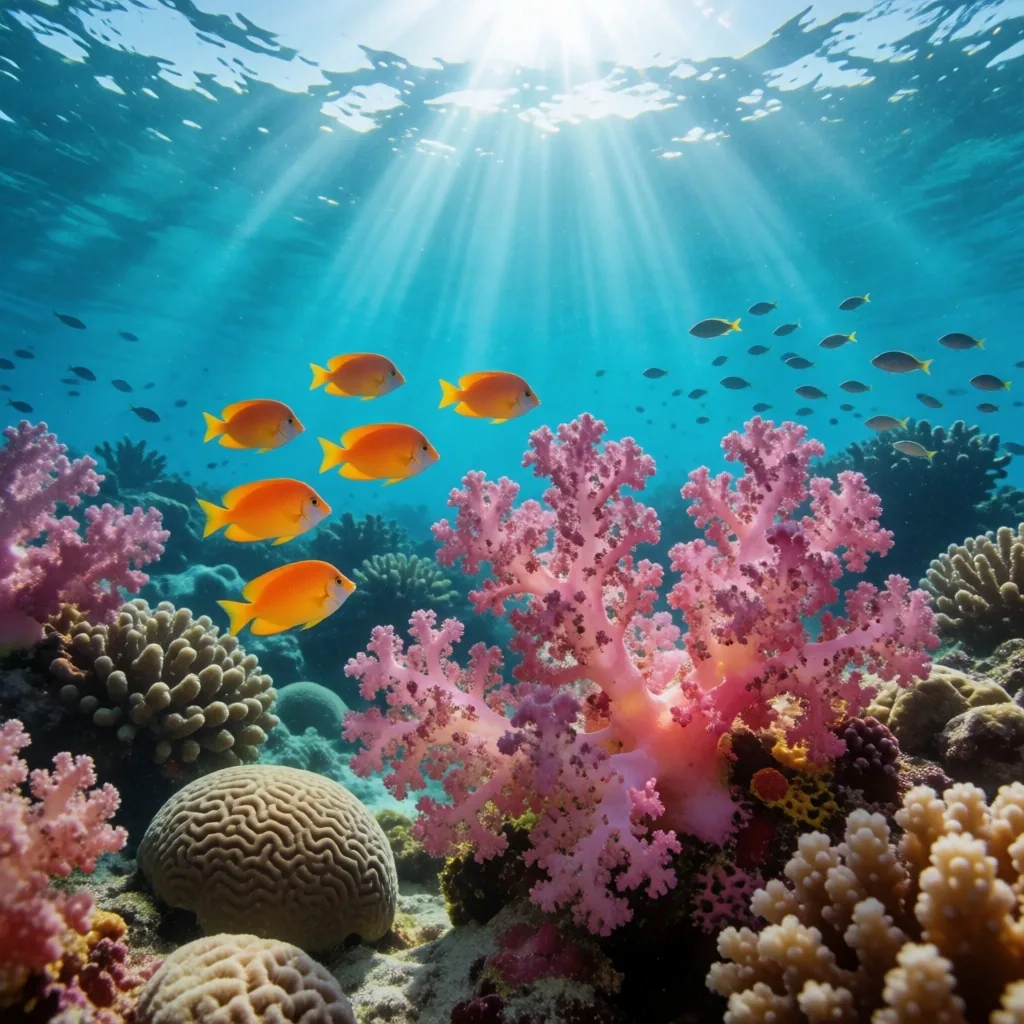
The eastern coast along the Red Sea is a stark contrast to the north. Here the desert mountains of the Eastern Desert drop directly into the water, and the sea stays warm throughout the year, supporting a vast ecosystem of corals and tropical fish. This stretch is the primary draw for travellers into Egypt who want to snorkel, dive, or simply watch marine biology in its natural habitat. The following sections move south from Hurghada toward the Sudanese border.
Hurghada & Environs
Hurghada serves as a major hub for exploring the nearby reefs and offshore islands. The water remains warm throughout the year, supporting a vast ecosystem of corals and tropical fish. It is a primary destination for those interested in snorkeling and observing marine biology in its natural habitat.
Reef sites within easy boat range include shallow coral gardens suited for beginners and deeper walls for experienced divers. If you prefer to stay on land, the shallow reef edge near the southern marina is walk-in snorkeling. Avoid standing on or touching any coral — even brief contact can break formations that took decades to grow.
South of Hurghada
Safaga & the Mineral Springs
South of the major hubs, Safaga is known for its high-salinity waters and black sand dunes, which are often cited for their natural therapeutic properties. The atmosphere here is significantly more laid back, focusing on wind-based sports like kitesurfing due to the consistent thermal winds. The proximity to the mountains also allows for short excursions into the desert, providing a dual experience of sea and sand within a single day.
The wind pattern is reliable: mornings tend to be calm, and thermal winds build through the afternoon. If you are learning to kitesurf, the lagoon south of town offers flat, shallow water. The black sand absorbs heat quickly, so foot protection is advisable on the beach during midday.
Deep South
Marsa Alam Frontier
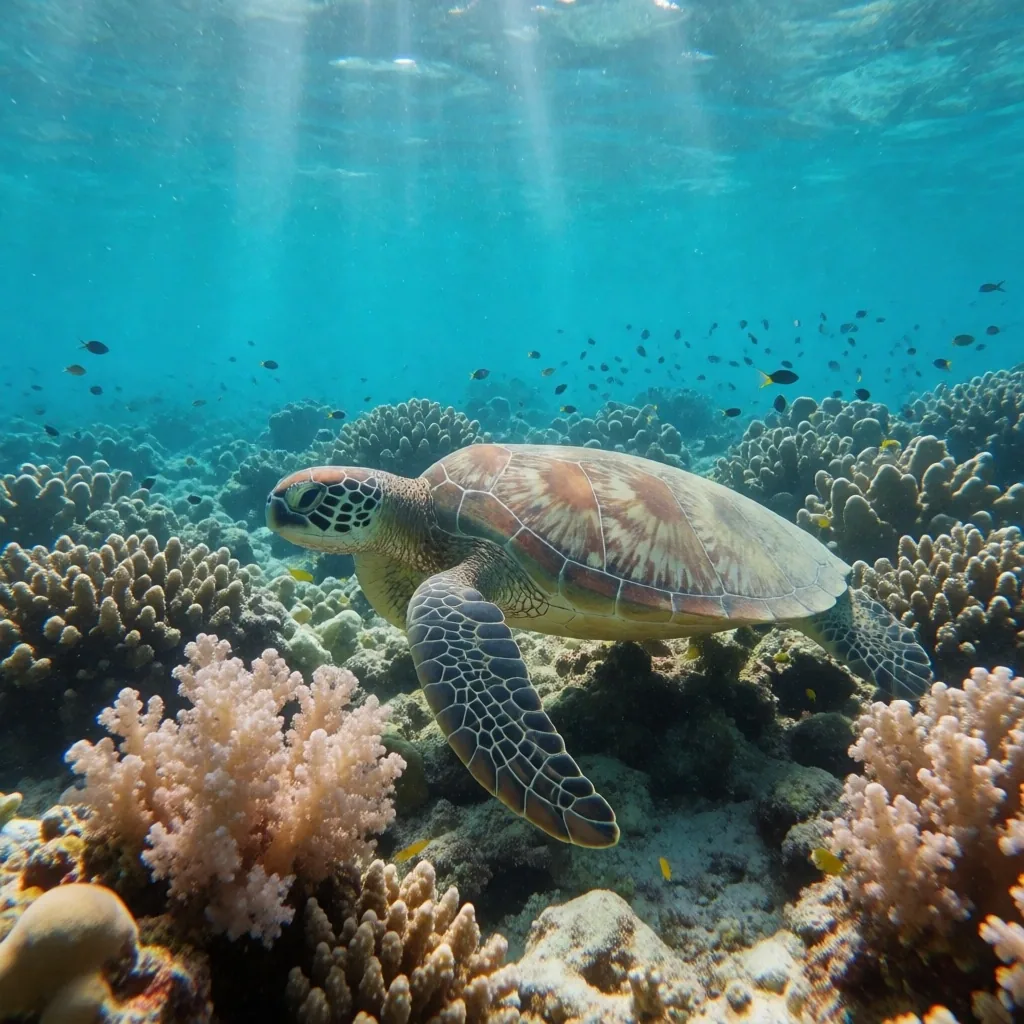
Marsa Alam is the gateway to Egypt's deep south, where the coastline becomes even more rugged and the marine life more diverse. This region is home to the Wadi el Gemal protected area, where mangroves meet the sea. It is one of the few places where travelers might see the rare dugong or green sea turtles in the wild. The distance from Cairo keeps the crowds at bay, preserving a sense of frontier exploration.
The dugong population here feeds on sea grass meadows in shallow bays. Local guides know which meadows are active and can take you by small boat at dawn. Turtles are more commonly spotted on the outer reef edges. Both are sensitive to disturbance — keep a respectful distance and never chase or feed them.
Sinai Peninsula
The Sinai Shoreline
The Sinai Peninsula stretches between the Gulf of Suez and the Gulf of Aqaba, offering a coast that shifts character as you move north. The southern tip is world-renowned for its underwater topography; the mid-coast has a bohemian waterfront; and the northern reaches hold quiet Bedouin camps where the desert is the main attraction.
Southern Tip
Sharm El Sheikh & Ras Mohammed
Located at the southern tip of the Sinai Peninsula, this region is known for its underwater topography. The Ras Mohammed protected area guards the convergence of the Gulf of Suez and the Gulf of Aqaba, creating deep-water drop-offs and spectacular coral walls. The climate here is more arid than the mainland coast, with dramatic granite mountains providing a stark contrast to the deep blue of the sea.
Currents at the tip can be strong. If you snorkel or dive here, go with a guide who knows the site and the day's conditions. The shark and yacht reefs are the most famous drop-offs; near-shore coral gardens suit calmer exploration.
Gulf of Aqaba
Dahab's Bohemian Shoreline
Further up the Gulf of Aqaba, Dahab offers a different pace of life, centered around a waterfront strip of local cafes and small guesthouses. The Blue Hole, a natural submarine sinkhole, is a major landmark for free-divers and observers alike. The town has maintained a low-key, community-oriented vibe that contrasts with the larger resort cities. It is a place where the mountains feel particularly close, often glowing orange and red during the sunset.
The Blue Hole is safe for surface snorkeling along the shallow rim. Scuba diving inside the arch — the tunnel at 55 meters — is for highly experienced divers only and has claimed lives. If you are not trained for that depth, stay on the reef shelf. The lagoon on the north side of town is calm and shallow, ideal for beginners.
Northern Sinai
Nuweiba & the Bedouin Camps
The northern stretches of the Sinai coast are dotted with simple camps managed by local Bedouin tribes. These locations offer a minimalist experience, with bamboo huts located just meters from the shoreline. There is little to do here but swim, read, and enjoy the silence of the desert. It is the ultimate destination for the traveller into Egypt looking to disconnect from modern technology and experience the stars without light pollution.
Facilities are basic by design: shared bathrooms, simple meals cooked on open fires, and electricity that may run only a few hours in the evening. Bring cash, sunscreen, and a headlamp. The road north passes through military checkpoints — keep identification handy and expect brief stops.
Stewardship
Coastal Conservation & Ethics
The beauty of Egypt's coastlines is under constant pressure from environmental changes and human activity. The guidance below is not a rulebook — it is a practical starting point for keeping these places intact. Responsible egypt travelling guides emphasize small, consistent choices rather than grand gestures.
What You Can Do
- Use reef-safe sunscreen without oxybenzone or octinoxate. These chemicals damage coral and stay in the water long after you leave.
- Never touch or step on coral. A single contact can break a formation that takes decades to rebuild.
- Reduce single-use plastics. Carry a refillable bottle and a cloth bag. Marine debris is a major threat to turtles and dolphins.
- Keep a respectful distance from all marine life. Never chase, feed, or attempt to ride turtles, dugongs, or dolphins.
- Support local conservation efforts and community-run camps. Revenue from visitors is what keeps these places protected.