
Desert Exploration: Navigating Egypt's Arid Interiors
Over ninety percent of Egypt's landmass is desert — a terrain of shifting dunes, volcanic mountains, and life-sustaining oases. This guide covers the safety protocols and regional highlights every traveller into Egypt needs before venturing beyond the green belt of the Nile.
The Geography of the Western Desert
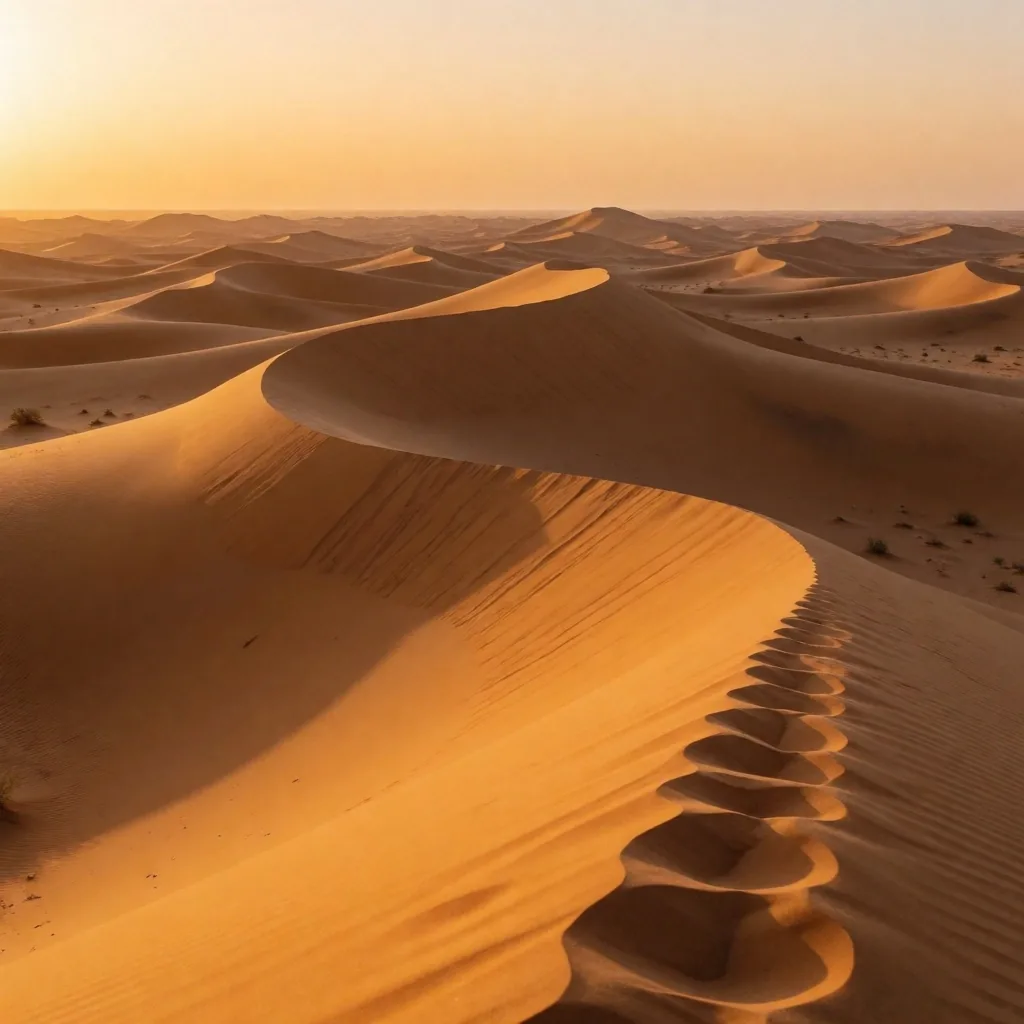
The Western Desert is part of the vast Sahara, characterized by massive dune fields and deep depressions that dip below sea level. It is home to the five major oases of Egypt — Bahariya, Farafra, Dakhla, Kharga, and Siwa — each one inhabited since prehistoric times. Water surfaces here from deep underground aquifers fed by ancient rainfall that fell thousands of years ago.
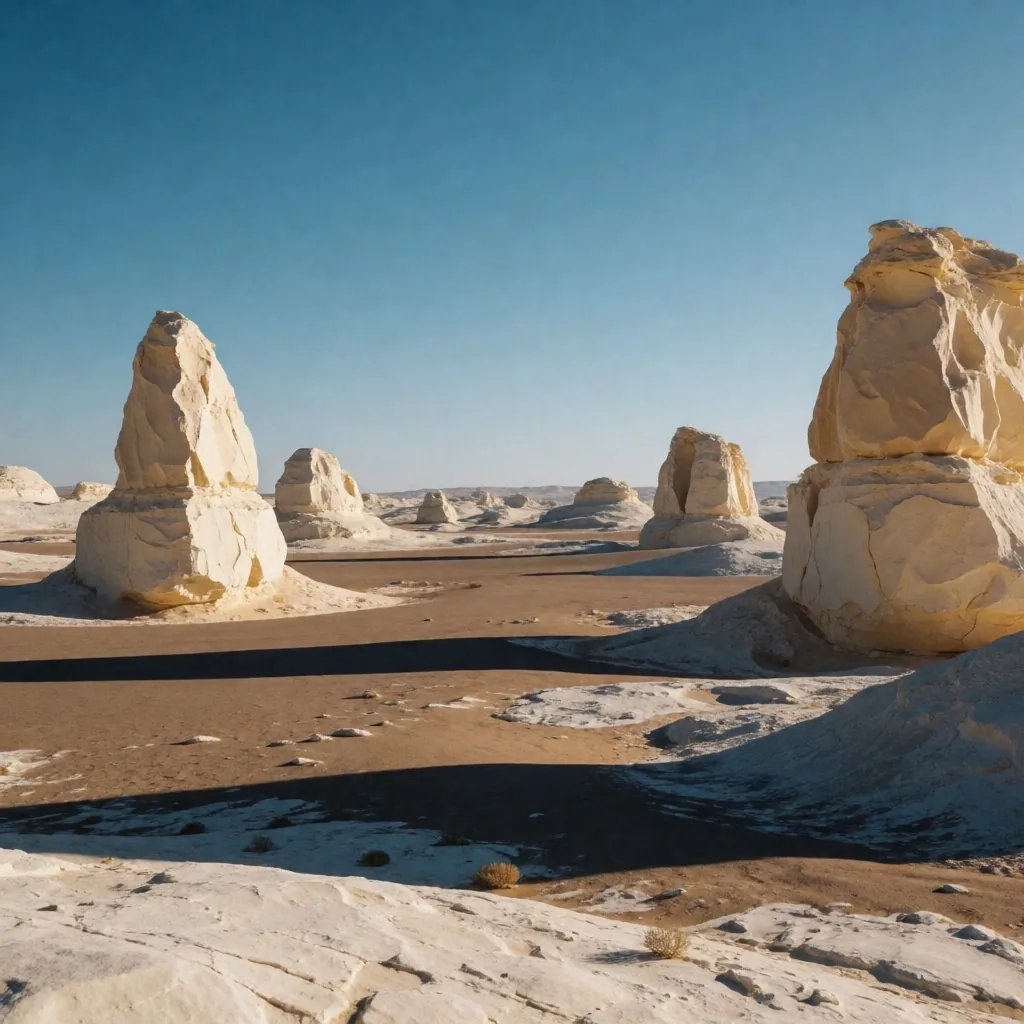
Some stretches are remarkably flat, where you can see the curvature of the earth on a clear day. Others feature dramatic limestone formations carved by wind erosion over millennia — ridges, pillars, and natural arches that look like the ruins of a vanished city. The chalk and limestone plateaus gradually give way to golden sand seas that drift with the prevailing winds.
Navigating this space requires specialized four-wheel-drive vehicles and experienced local guides who understand the shifting nature of the sand tracks. A track that was passable yesterday may be buried by a fresh dune overnight. Many egypt travelling guides emphasize that the desert is never a static picture — it rewrites its own surface constantly.
Safety and Survival Essentials
Desert travel is inherently risky without proper preparation. The gap between a smooth journey and a dangerous situation comes down to planning, water, and communication. Every traveller into Egypt heading inland should treat the following protocols as non-negotiable.
Water Management
Carry significantly more water than you expect to consume. A minimum of four to five liters per person per day is standard for active desert travel. Account for potential vehicle delays or route changes — a breakdown in remote terrain can add hours or days to your journey.
Sun and Heat Protection
High-protection sunblock (SPF 50 or above), wide-brimmed hats, and lightweight long-sleeved clothing are necessary to prevent heatstroke and severe burns. Light-colored cotton or linen fabrics breathe well and reflect heat. Protect the back of your neck — it bears the brunt of direct sun during midday travel.
Route Notification
Notify local authorities or your accommodation of your intended route and expected return time before departing. This is a standard safety protocol for any egypt travelling guides covering remote areas. If you do not return within the agreed window, someone knows to initiate a search.
Vehicle and Communication
Travel in a convoy of at least two vehicles when possible. Carry a satellite phone or personal locator beacon — standard mobile coverage does not exist in most of the inland desert. Ensure your vehicle has recovery boards, a full-size spare tire, extra fuel, and a functional jack.
The White Desert
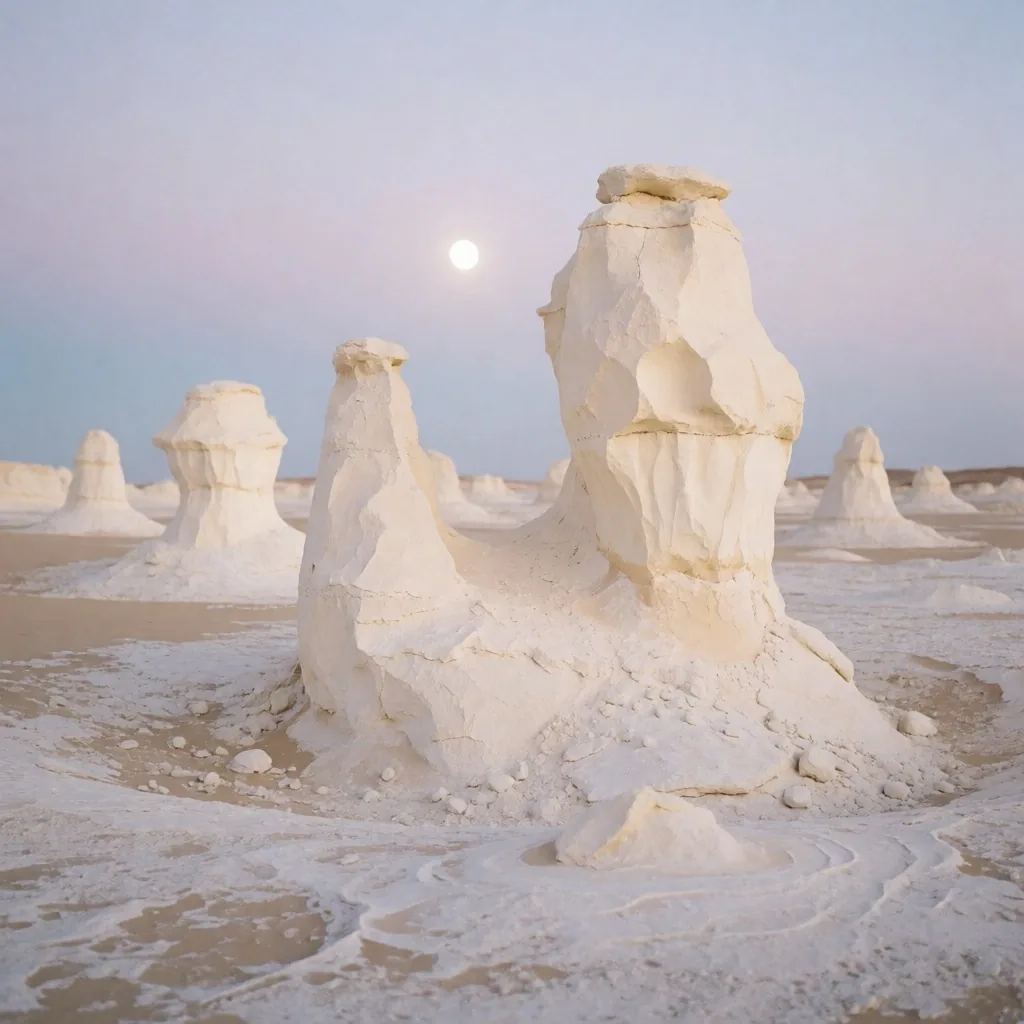
The landscape here is littered with chalk-white rock formations that resemble giant mushrooms, icebergs, and abstract sculptures. These were formed over millions of years as the ancient seabed retreated and wind took over the sculpting process, carving soft limestone into shapes that feel deliberately arranged.
Spending a night under the stars here reveals how moonlight transforms the white chalk into a ghostly, luminous landscape. The formations seem to glow from within, and the silence is total. Many travel guides describe it as the closest thing on earth to walking through a sculpture park with no artist present.
Two Deserts, One Inland Corridor
Black Desert
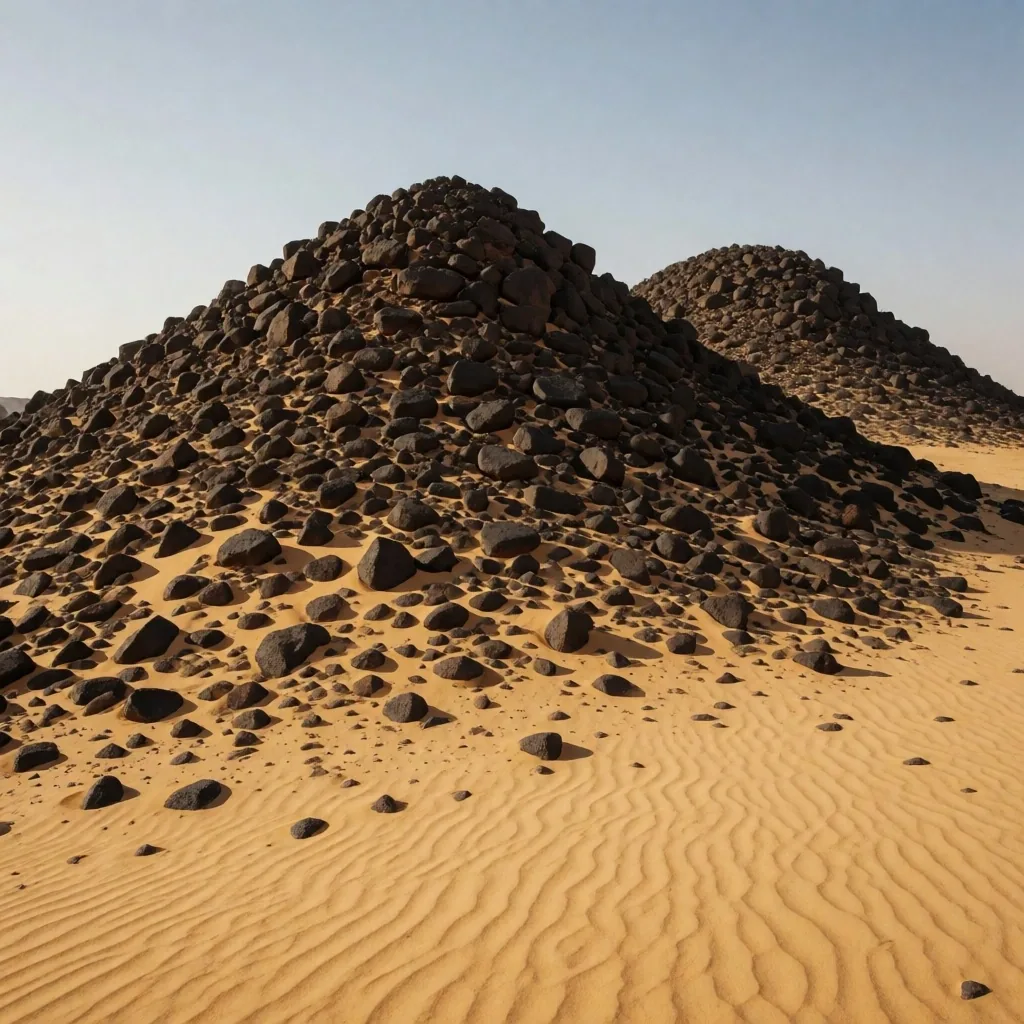
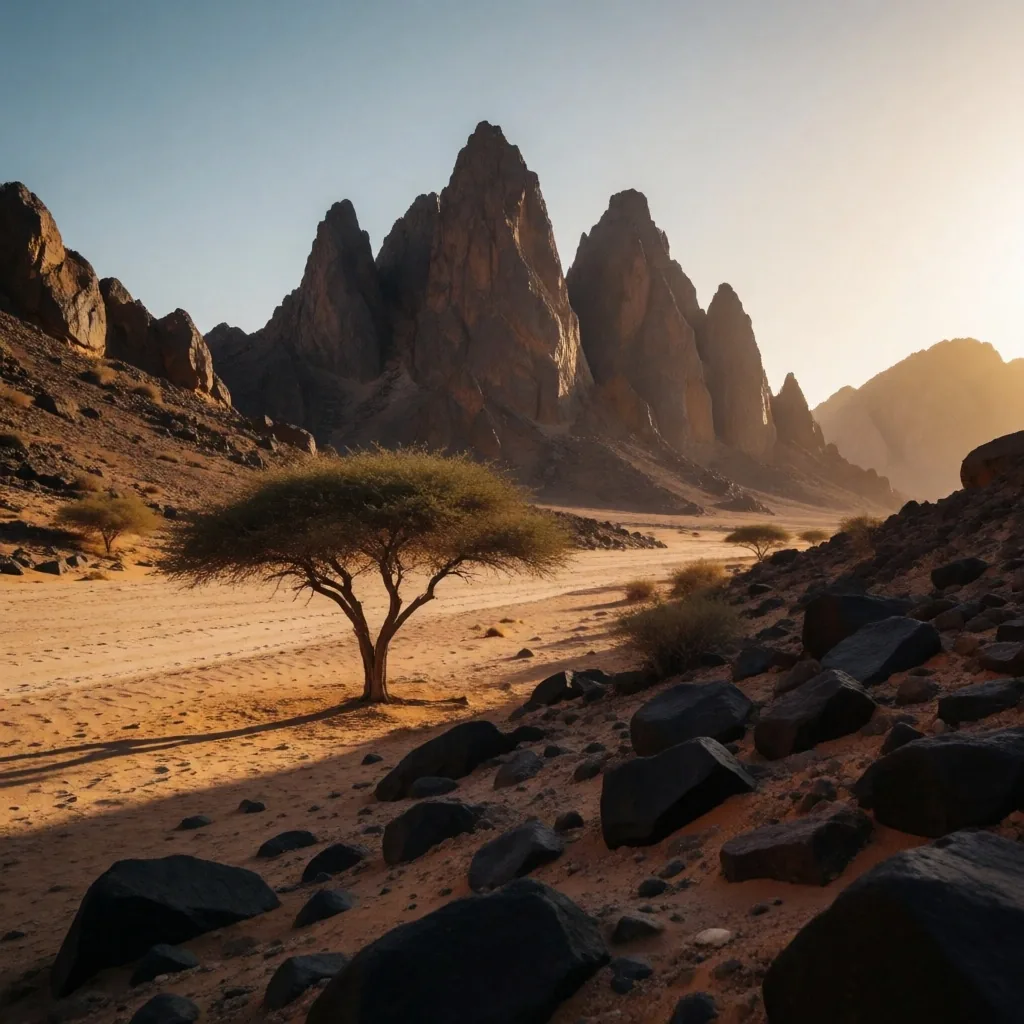
A short distance from the White Desert lies a starkly different environment. This area is covered in black volcanic dolerite mounds — the remnants of ancient eruptions. The contrast between golden sand and charred-looking peaks is striking at any time of day. Climbing one of the smaller mounds offers a panoramic view of terrain that looks more suited to another planet than to North Africa, illustrating the violent geological history that shaped the Egyptian interior.
The Great Sand Sea
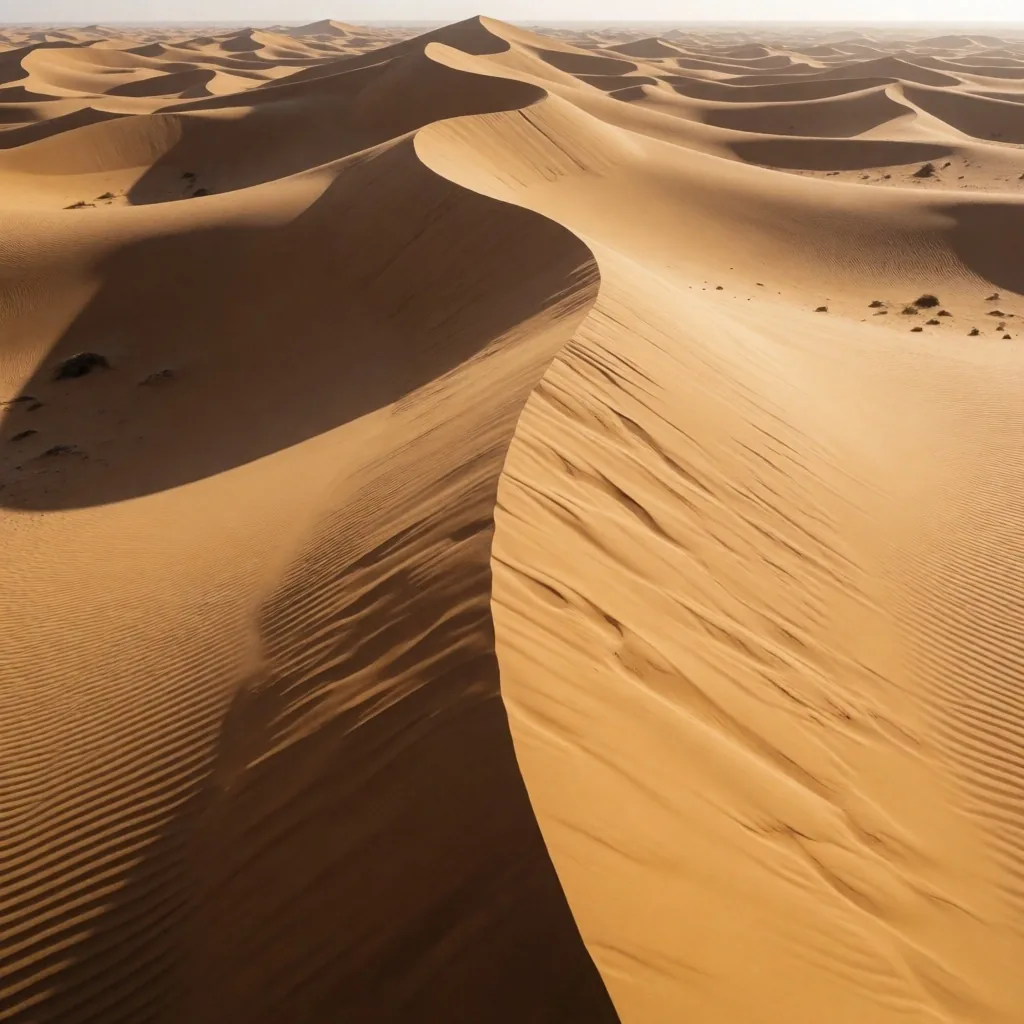
Stretching along the western border, the Great Sand Sea is one of the largest dune fields in the world. Some dunes here reach heights of over one hundred meters, creating a sea of undulating waves visible from space. Travel in this region is strictly regulated and requires permits due to its proximity to the border and the difficulty of the terrain. It is an area of absolute isolation, where the only sounds are the wind and the singing of the sand as it shifts.
Oasis Culture: Bahariya and Siwa
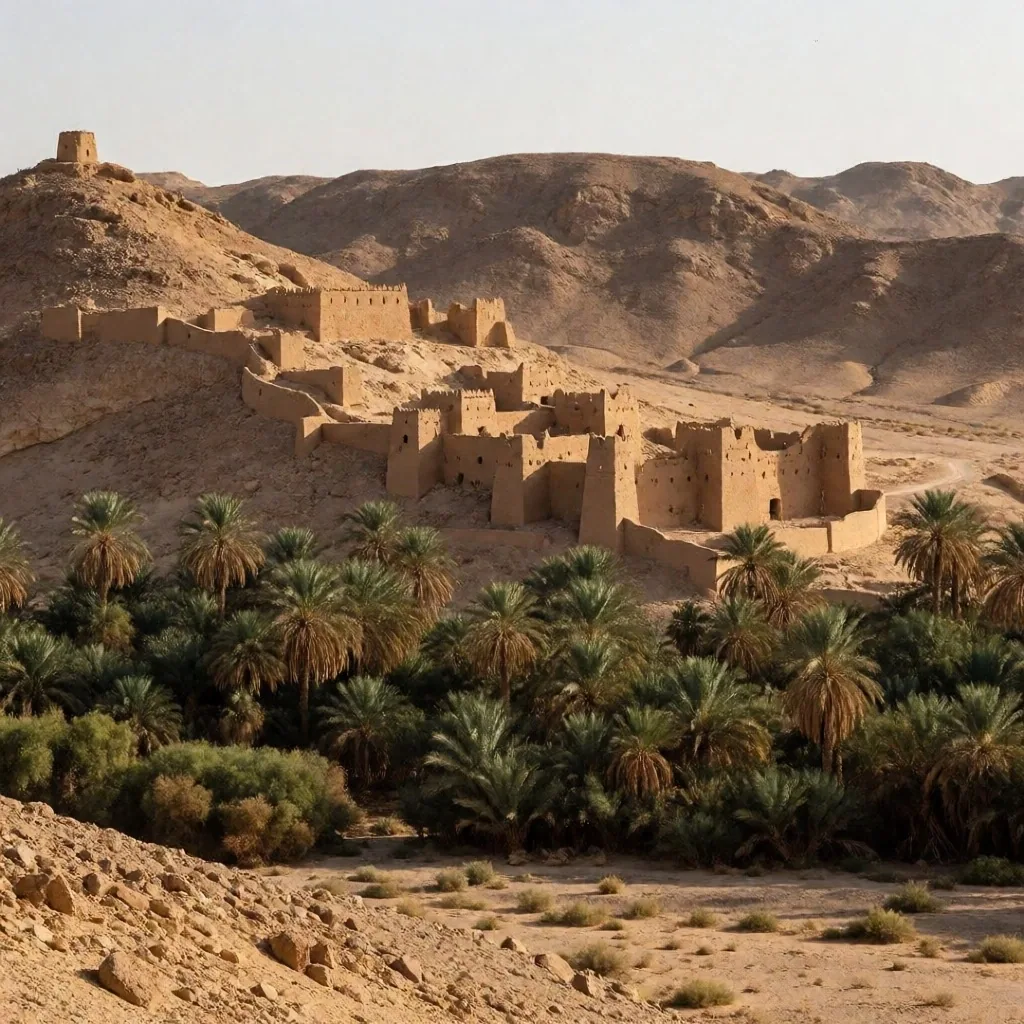
The oases are the cultural heart of the desert, where life revolves around ancient springs that have sustained communities for thousands of years. Bahariya, the closest oasis to the capital, serves as the gateway for most desert excursions into the White and Black Desert regions. Its palm groves and hot springs make it a natural staging post.
Siwa, the most remote of the oases, sits near the western border and has its own distinct language called Siwi, a Berber dialect unrelated to Arabic. Its unique architectural style uses kershef — a mixture of salt and mud dried in the sun — which regulates temperature naturally and blends the buildings into the surrounding landscape.
These communities are highly traditional. Visitors should be particularly mindful of local customs regarding dress and photography — what is acceptable in a coastal resort may not be appropriate in a remote oasis settlement. The oases offer a glimpse into a sustainable way of life that has resisted the pressures of modernization for centuries, and that quiet resilience deserves respect.
The Eastern Desert and Red Sea Mountains
Unlike the sandy Western Desert, the Eastern Desert is a rugged landscape of igneous and metamorphic mountains rising sharply from the coast. This region is rich in minerals and has been mined for gold and emeralds since the time of the Pharaohs — ancient workings are still visible in the wadi walls.
The deep wadis — dry valleys that flood during rare rain events — serve as transit routes for Bedouin tribes and are home to hardy desert flora like the acacia tree, whose roots can reach water fifty meters below the surface. It is a terrain better suited for trekking and mountain exploration than for deep sand driving, and the pace of travel here is measured in footsteps rather than kilometers.
Wildlife of the Arid Zones
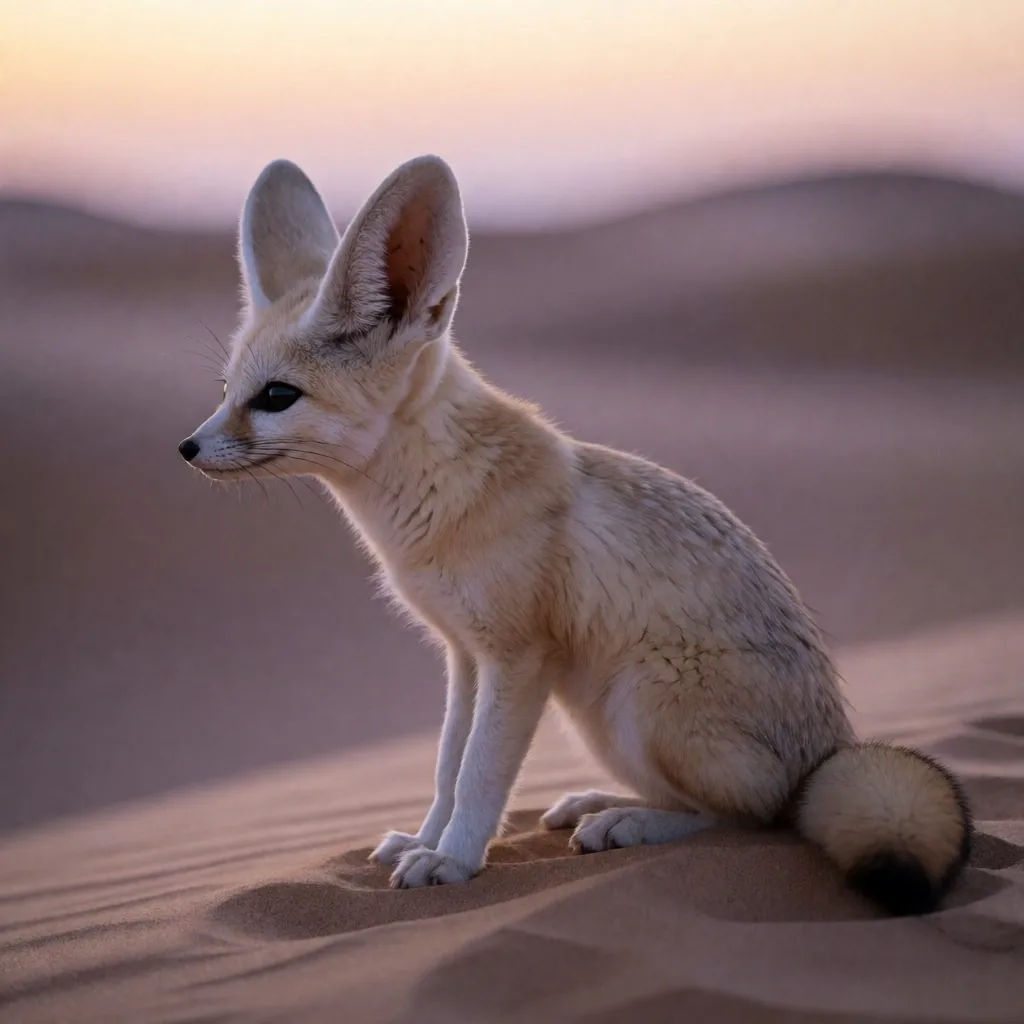
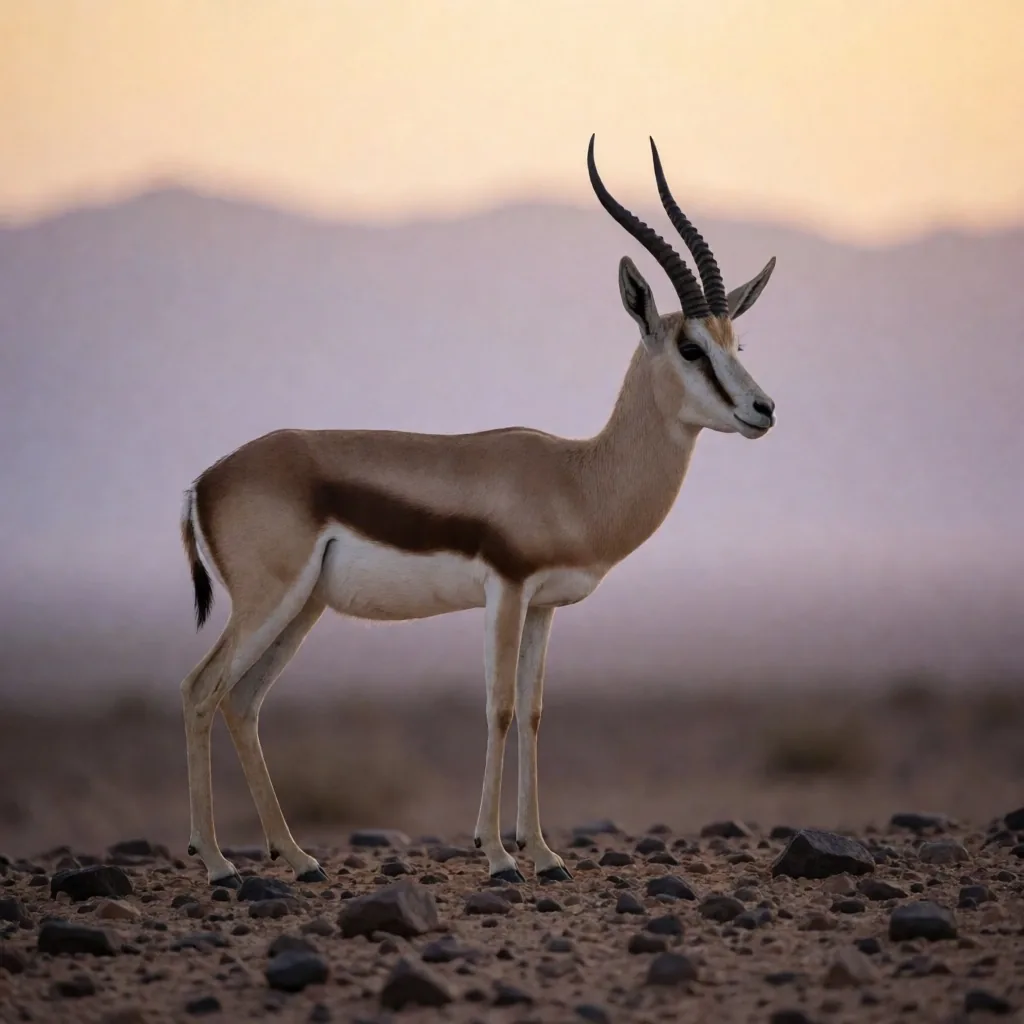
Despite the harsh conditions, the Egyptian deserts host a variety of specialized wildlife. Travelers may spot the Fennec fox with its oversized ears — built to dissipate heat and locate insects underground — the Dorcas gazelle, or various species of lizards and beetles adapted to the extreme heat. Most animals are nocturnal or crepuscular, avoiding the surface during peak temperature hours.
Birdwatchers can look for desert larks feeding on seeds in the early morning, or the occasional migratory raptor riding the thermal updrafts along the mountain fronts. Observing these creatures requires patience and usually occurs during the cooler dawn or dusk hours, when the desert briefly comes alive before retreating into shade.
Nighttime in the Desert
The desert night is a revelation for those used to urban light pollution. The clarity of the atmosphere allows for an unobstructed view of the Milky Way and countless constellations. Away from any settlement, the sky is dense with stars — so many that the familiar patterns become harder to pick out, not easier.
Temperatures drop rapidly once the sun sets, often requiring warm layers even in the summer. A thirty-degree swing between day and night is common. This thermal shift is one of the most surprising aspects for the first-time traveller into Egypt, proving that the desert can be as cold at night as it is hot during the day. Pack a warm jacket even if you left the coast in a heatwave.
Technology Versus Local Knowledge
GPS units and satellite phones are invaluable tools for modern desert exploration, but they cannot replace the intuition of a local guide. Bedouin trackers can read the age of a tire track by the moisture content in the sand, predict weather changes from the wind's direction hours before instruments register a shift, and find water sources that are not on any digital map.
A successful strategy for any egypt travelling guides operation involves a blend of modern safety technology and deep respect for the traditional knowledge of those who call the desert home. The GPS tells you where you are. The guide tells you whether that location is safe to be at. Both inputs matter — neither is sufficient alone.
Prepare Before You Go
Desert exploration rewards those who arrive ready and penalizes those who do not. Before heading inland from the coast or the capital, make sure your packing list covers the essentials — water storage, protective clothing, navigation aids, and warm layers for the night. Our travel guides connect every part of the journey.
If you have questions about route planning, vehicle requirements, or connecting with a local guide in the oases, reach out to our team directly. We are based in Cairo and available every day of the week.
Packing Essentials
Clothing, water containers, first aid, and gear for inland conditions
General Requirements
Documents, permits, and preparation for entering desert regions
Transportation Tips
Vehicle selection, road conditions, and convoy logistics for inland travel
Contact Our Team
Based in Cairo · Mon–Sun 08:00–20:00 · +201211121507 · [email protected]