
Transportation Tips: Navigating the Egyptian Transit Network
Moving between Egypt's iconic landscapes requires a mix of patience, local knowledge, and an understanding of the various transit tiers available. From the historic railway lines connecting Cairo and Aswan to the frantic energy of city microbuses, the way you travel is as much a part of the experience as the destination itself. This guide provides a practical overview of how the traveller into Egypt can navigate the country safely and efficiently, ensuring you spend less time in transit and more time exploring the horizon.
Every mode tells a different story about how Egypt moves
Egypt's transit network is layered. High-speed domestic flights skip over hundreds of kilometres of desert in an hour. Night trains crawl the length of the Nile Valley, passing villages and fields you will never see from a highway. White microbuses weave through city traffic with a fluency that confuses newcomers and amazes regulars. The sections below walk through each mode in practical terms — what to expect, what to prepare, and where each one fits in a typical itinerary.
How to get from here to there
The National Railway System
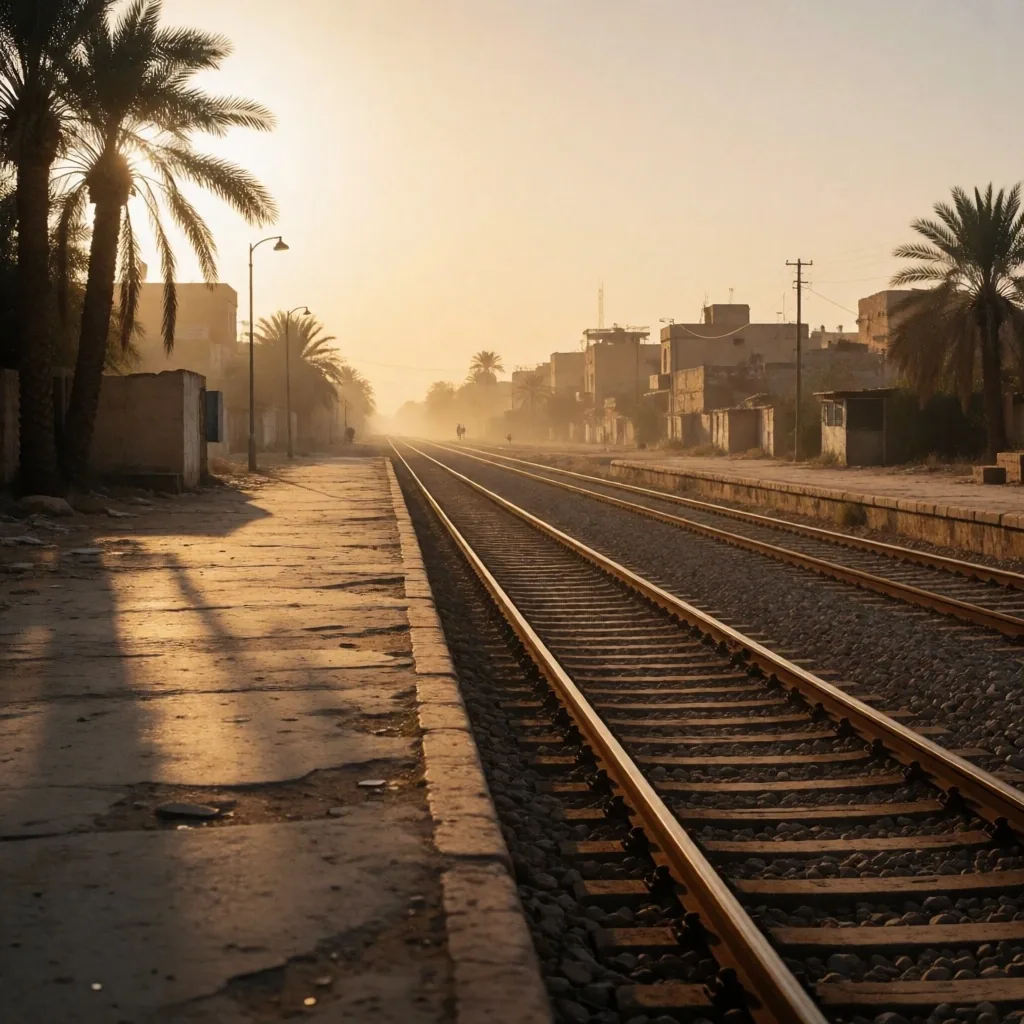
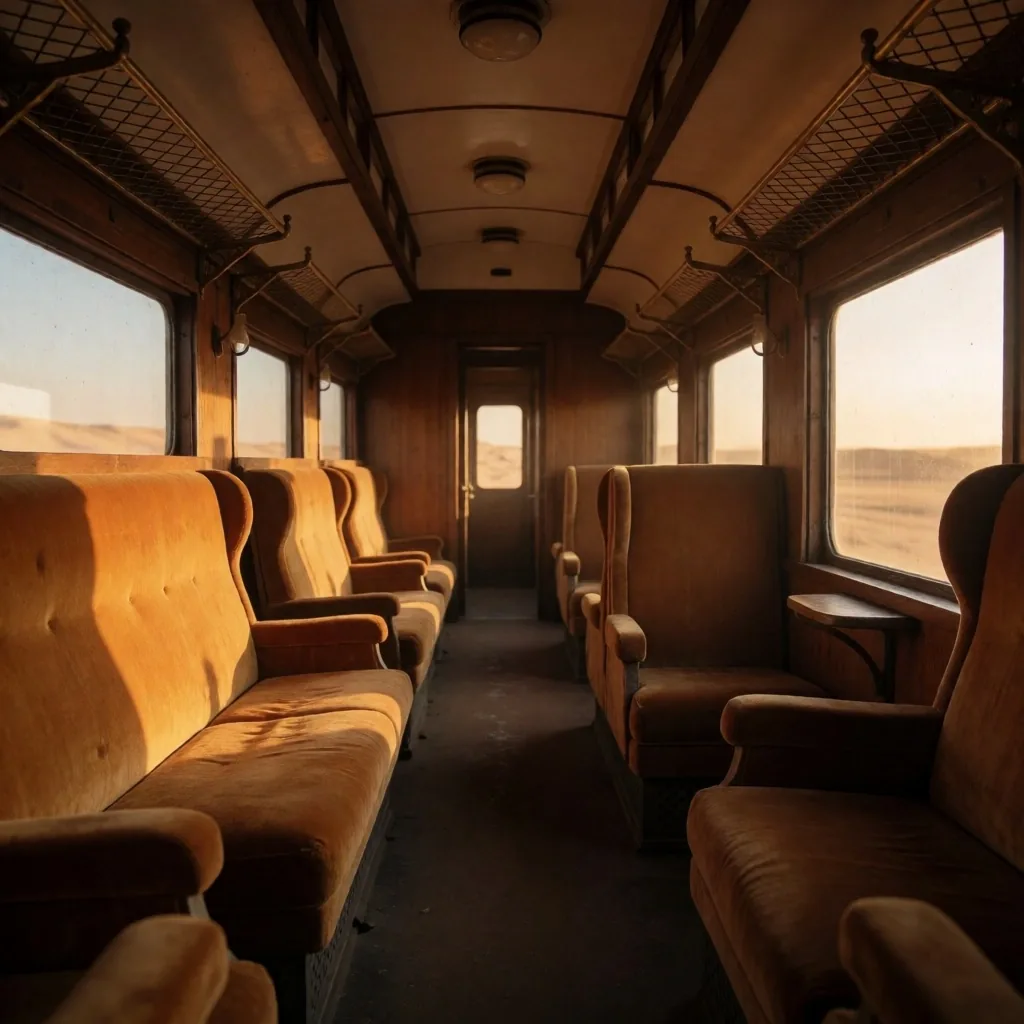
The Egyptian National Railways is one of the oldest networks in the world and remains the backbone of north-south travel. The air-conditioned express trains offer comfortable seating, making them the preferred choice for the long journey between Cairo, Luxor, and Aswan. Book seats several days in advance, especially during the winter peak season. While slower than flying, the train provides a unique window into the rural life of the Nile Valley that you simply cannot see from the air — farmers working narrow green plots, children waving from embankments, and the slow rhythm of village life passing your window.
Long-Distance Bus Networks
For routes not covered by the rail network — such as those heading to the Red Sea coast or the Western Oases — high-quality bus services are the primary option. Several major companies operate modern, air-conditioned coaches with assigned seating. These buses are generally reliable and offer a more flexible schedule than the trains. Always keep your passport handy, as buses are frequently stopped at security checkpoints where identification for all passengers is verified. Bring a warm layer; the air conditioning runs cold even on desert routes.
Domestic Flights
For those short on time, domestic flights connect Cairo to major hubs like Sharm El Sheikh, Hurghada, Luxor, and Abu Simbel. The flights are short — usually around an hour — and offer spectacular views of the desert and the Nile from above. While more expensive than ground transport, they are an efficient way to bridge the vast distances of the country. Check weight limits for luggage carefully, as domestic flights often have stricter policies than international ones. Arrive early; airport procedures can take longer than the flight itself.
Navigating Cairo's Metro
The Cairo Metro is one of the most efficient ways to bypass the city's legendary surface traffic. It is clean, affordable, and easy to navigate with signage in both Arabic and English. For women, the middle cars of every train are designated as women-only, providing a more comfortable space during rush hour. It is a fantastic way for any egypt travelling guides reader to reach districts like Coptic Cairo or the downtown core quickly and safely. Buy a stored-value card at any station booth rather than fumbling with single-ride paper fares each time.
The Microbus
Microbuses are the white vans that swarm through every Egyptian city and village. They don't have formal stops; instead, you hail them from the side of the road and tell the driver your destination. They are incredibly cheap but can be crowded and fast-paced. Using them requires a bit of transit fluency — knowing the hand signals for different routes and having exact change ready. It is the most authentic, if somewhat chaotic, way to get around like a local. Watch a few regulars first, then step in when you feel the rhythm.
Nile Ferries and Feluccas
In cities like Cairo and Luxor, crossing the river is often faster by boat than by bridge. Public river buses in Cairo offer a scenic and very cheap way to move between districts. For a more leisurely experience, the felucca — a traditional wooden sailing boat — is the iconic way to experience the Nile. While mostly used for short sunset sails, it is possible to arrange multi-day trips between Esna and Aswan, sleeping on the deck and eating meals prepared by the crew. Carry sunscreen and a hat; there is no shade on deck.
Walking and Pedestrian Safety
Walking is the best way to soak in the atmosphere of old districts, but it requires a high level of awareness. Traffic in Egypt can be unpredictable, and pedestrians do not always have the right of way. When crossing busy streets, the best strategy is to shadow a local — when they move, you move. Wear sturdy shoes, as sidewalks can be uneven or non-existent in some areas. Despite the chaos, walking through neighbourhoods like Zamalek or Garden City is a highlight of any urban exploration. Keep your phone in your pocket and your eyes on the street.
Driving in Egypt
Renting a car is generally not recommended for those unfamiliar with local driving customs, which are governed by a unique set of unwritten rules and heavy congestion. If you must drive, be prepared for frequent speed bumps — often unmarked — and the presence of livestock or slow-moving carts on rural roads. For desert exploration, hiring a 4x4 with a professional driver is a much safer and more effective way to reach remote locations without the stress of navigating the terrain yourself. Our travel guides can point you to reputable desert outfitters who know the routes.
Transit Etiquette and Comfort
Regardless of the mode of transport, keep your belongings secure and be mindful of your personal space. On long journeys, bring your own snacks and plenty of water, as onboard services can be limited. If you are traveling on a night train or bus, keep your valuables in a small bag that stays on your person rather than in the overhead bins. A patient and friendly attitude goes a long way in navigating the inevitable delays that come with traveling through such a densely populated and active country.
A quick comparison for choosing your route
Long-distance routes
- Book express train seats several days ahead, especially December through February.
- Carry your passport on every intercity bus — security stops check all passengers.
- Domestic flights cap luggage lower than international — check the allowance before you pack.
- Overnight trains save a hotel night — bring a sleep mask, earplugs, and a warm top.
Within cities
- Use ride-sharing apps for fixed fares and a tracked route — no haggling at the door.
- Women-only metro cars sit in the middle of every train — a calmer option at rush hour.
- Keep small change for microbuses and river ferries — drivers rarely break large notes.
- When crossing on foot, find a local walking your direction and match their pace.
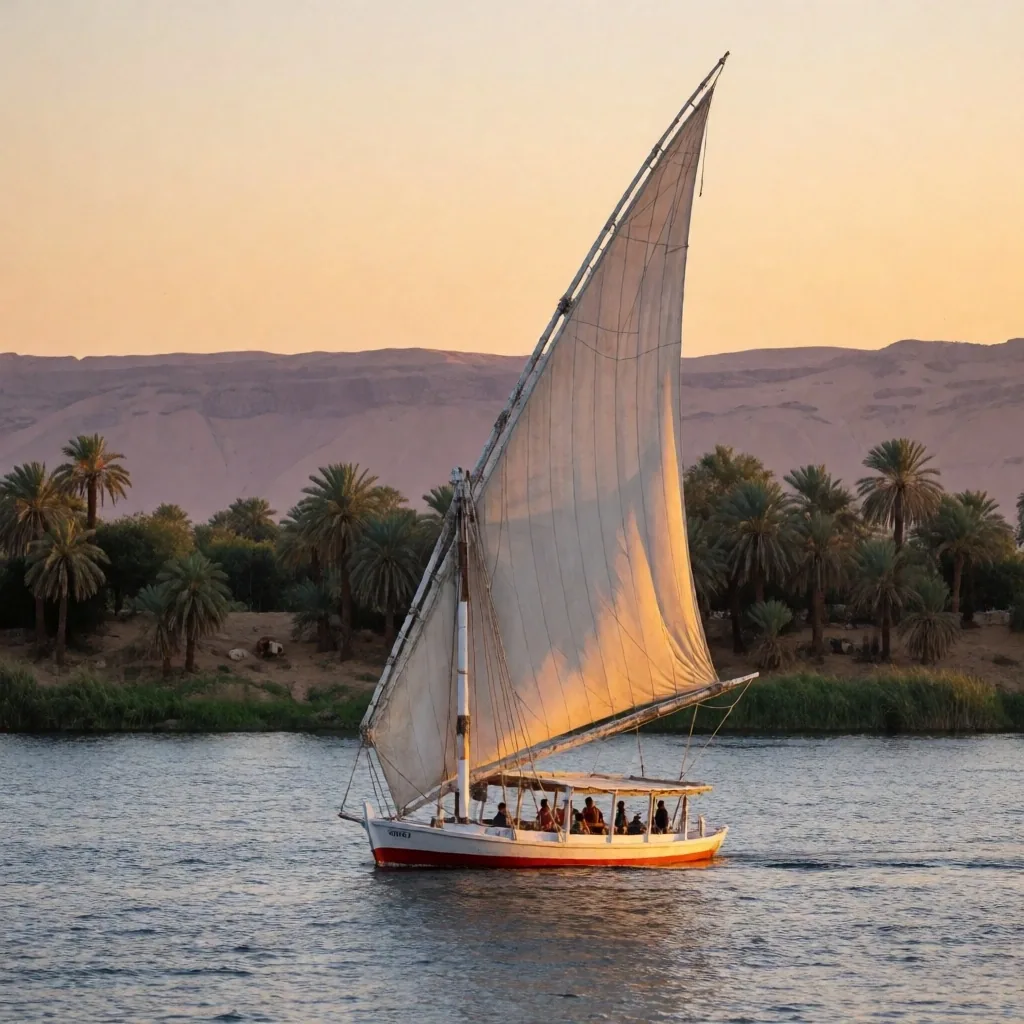
The felucca turns a river crossing into the slowest, most memorable part of the day.
Travel logistics, answered
The express train is the most scenic and comfortable option for a first trip. It takes roughly ten to twelve hours, but you see the full stretch of the Nile Valley unfold outside your window. Book an air-conditioned express seat a few days ahead, especially from October to March. If time is tight, a one-hour domestic flight is the faster alternative — just allow extra time at the terminal for security and luggage checks.
Coverage thins out once you leave the largest cities. In Hurghada, Sharm El Sheikh, and Luxor you can usually find a ride through the main apps, but availability drops during off-peak hours and in residential districts. In smaller towns, traditional taxis and microbuses are still the standard. If you rely on apps, download more than one and have a backup plan — a trusted number from your hotel desk works well.
Yes — the metro is one of the safest and fastest ways to move through Cairo. Stations have security screening, signage is in Arabic and English, and the women-only cars in the middle of each train provide a quieter option during rush hour. Keep your stored-value card topped up, hold your bag in front of you in crowded cars, and ride during off-peak hours if you prefer more space. The metro runs until shortly before midnight; plan your last ride accordingly.
Not unless you have experience with off-road desert driving and a properly equipped vehicle. Sand tracks, unmarked junctions, and long stretches without fuel or phone signal make self-driving risky for visitors unfamiliar with the terrain. Hire a 4x4 with a professional driver — they know the safe routes, carry recovery gear, and can adapt when conditions change. Many desert safari outfitters offer day trips and multi-day circuits from Bahariya, Farafra, and Dakhla.
Multi-day felucca sails usually run between Esna and Aswan, departing from Luxor-area docks. You can arrange one through a local outfitter or directly with a captain at the riverbank in Esna. Trips last two to four days depending on wind and current. You sleep on deck under the stars, and the crew prepares simple meals on board. Bring a sleeping bag liner, sunscreen, a hat, and a reusable water bottle. Confirm what is included — food, water, and return transport — before you depart.
Related guides for the traveller into Egypt
Transit is one piece of the puzzle. These companion guides cover what to bring, how to read local customs, and which regions deserve your time.
Still planning your route?
Our egypt travelling guides are built from long-term local familiarity. If you have a question about a specific connection, a border crossing, or a seasonal schedule change, reach out — we answer questions from travelers Monday through Sunday.