Tall palm trees in golden afternoon light casting long shadows across a pale wall
Field Guide · Volume Four

Packing Essentials: Gear for the Diverse Egyptian Climate

Packing for Egypt requires a strategic balance between thermal comfort, cultural sensitivity, and the practical demands of varied terrain. From the humid Mediterranean coast to the bone-dry heat of the southern Nile Valley, your wardrobe must be as adaptable as your itinerary. This guide avoids commercial brand placements to focus on the types of materials and gear that will serve you best — whether you are trekking through the Sinai or exploring the markets of Cairo.

Scroll to unpack the guide 10 Sections · 3 Resources
01

Fabric Choices for Heat Management

The primary rule for any traveller into Egypt is to prioritize natural, breathable fibers. Linen and light cotton allow air to circulate and moisture to evaporate, keeping you significantly cooler than synthetic blends that trap heat against the skin. Avoid heavy denim — it becomes stifling in the desert sun and takes a long time to dry if you sweat through it.

For active excursions such as hiking the Sinai or walking long stretches of Cairo in summer, moisture-wicking bamboo fabrics offer a modern alternative that manages odor and heat effectively during long days of exploration. A blend that is roughly sixty percent cotton with forty percent bamboo or linen gives you structure without sacrificing airflow.

Quick check: hold the fabric up to a light. If you cannot see light passing through the weave, it is too dense for southern Egypt between May and September.
02

Modesty-First Wardrobe Staples

As discussed in our cultural guides, clothing should be modest. For women, this means packing several lightweight tunics or long-sleeved shirts that cover the hips, along with loose-fitting trousers or maxi skirts. A large, breathable scarf or pashmina is perhaps the most versatile item you can carry — it serves as a headcover for religious sites, a shoulder wrap for sun protection, or an extra layer during cool desert evenings.

Men should stick to chinos or long shorts that reach the knee, along with collared shirts or high-quality t-shirts. Sleeveless tops are uncommon in many areas and draw unwanted attention in traditional neighborhoods, so opt for short sleeves at minimum.

Women
  • Long-sleeved tunics covering the hips
  • Loose trousers or maxi skirts
  • Breathable pashmina or large scarf
Men
  • Chinos or knee-length shorts
  • Collared shirts or quality t-shirts
  • Lightweight scarf for sun and dust

See our full cultural etiquette guide for detailed guidance on dressing for specific settings.

Walking boots and wide-brimmed hat resting on a desert stone ledge in warm afternoon light
Part Two

Ground Contact & Sun Defense

03

Footwear for Varied Terrains

You will likely be walking on a mix of dusty paths, uneven stone, and hot sand. A pair of sturdy, broken-in walking shoes or light hiking boots is essential for any egypt travelling guides list. Break them in for at least a week before departure — blisters on day one can sideline an entire itinerary.

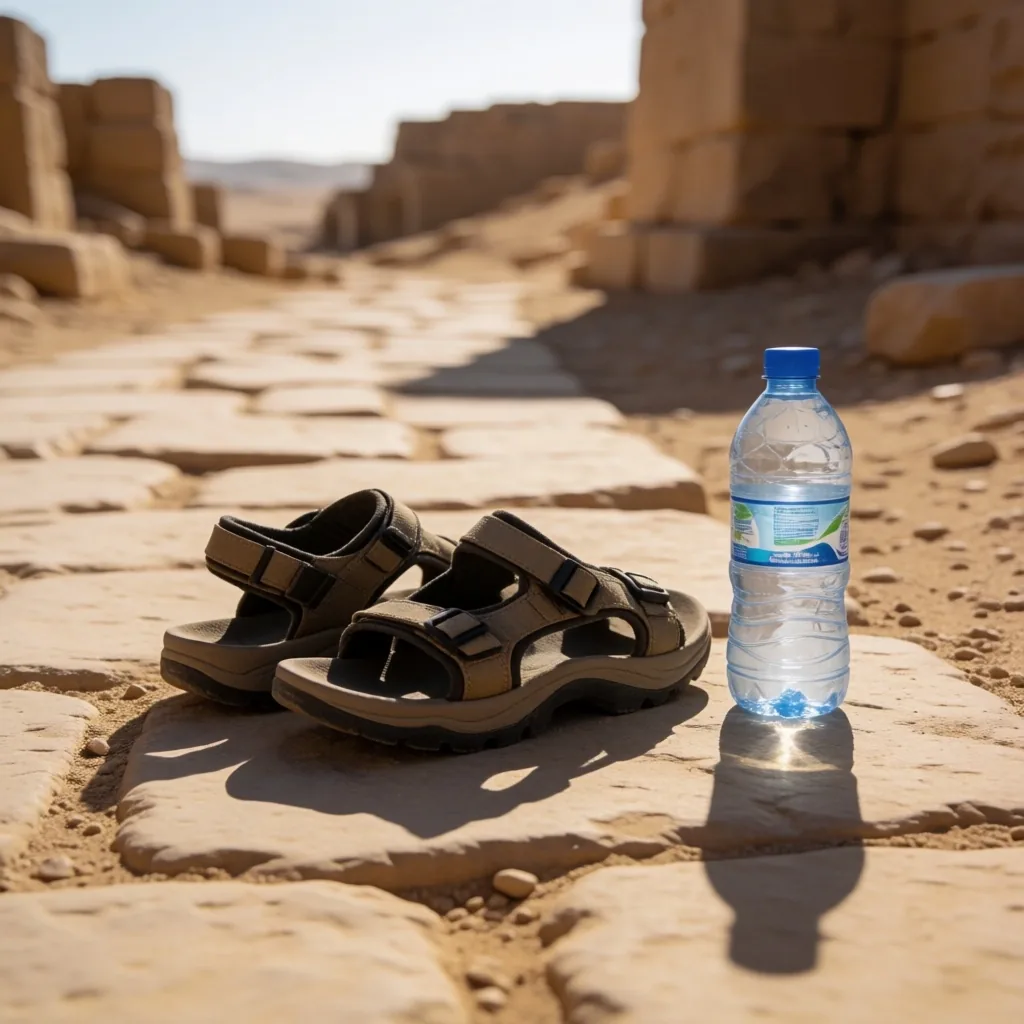
Avoid flip-flops for long-distance walking as they offer no support and leave your feet exposed to city grime and heat. For coastal areas, a pair of rugged sandals with secure straps is useful, and water shoes are highly recommended if you plan to explore rocky shorelines or coral-adjacent beaches where sharp fragments can cut bare feet.

Footwear by Region
  • Cairo & urban centersBroken-in walking shoes
  • Sinai & desert treksLight hiking boots, gaiters optional
  • Red Sea coastStrapped sandals + water shoes
  • Nile felucca tripsGrippy deck shoes or sandals
04

Sun and Skin Protection

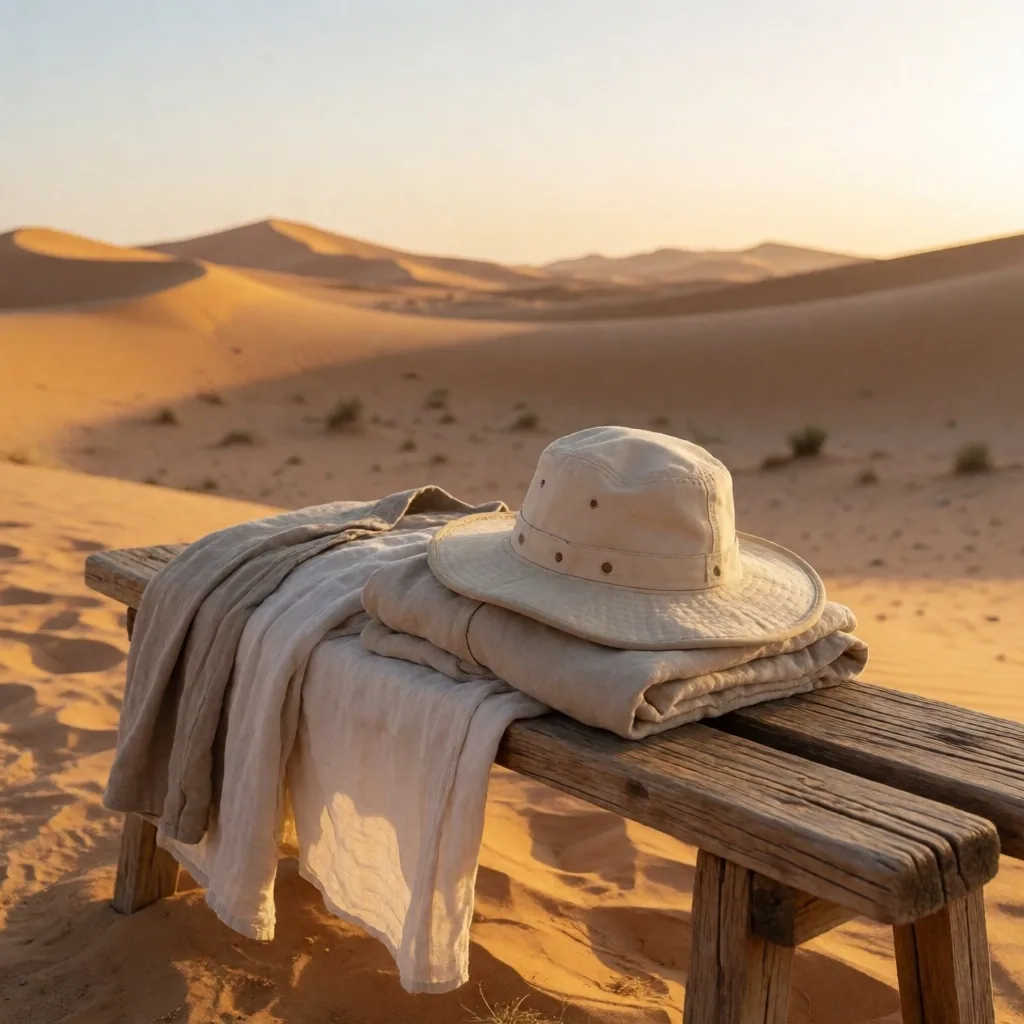
The Egyptian sun is intense, even on overcast days or in the cooler winter months. A wide-brimmed hat that shades the neck and face is a necessity. Sunglasses should offer high UV protection to guard against the glare from sand and water — polarized lenses reduce that glare further and ease eye strain during long desert drives.

In addition to a high-SPF, reef-safe sunscreen, consider packing a zinc-based stick for high-exposure areas like the nose and ears. Lip balm with SPF is frequently overlooked but vital in the dry desert air, where lips can crack within hours of arrival.

Wide-brim hat UV sunglasses Reef-safe SPF Zinc stick SPF lip balm
Part Three

Climate Realities & Personal Care

Two surprises catch first-time visitors off guard: the desert gets genuinely cold at night, and basic supplies — while available — are easier to manage when you arrive prepared. These two sections cover the unexpected gaps in your kit.

05

Layering for Temperature Fluctuations

Many travelers are surprised by how cold Egypt can get at night, especially in the desert or during the winter months from November to February. A lightweight, packable down jacket or a fleece is essential for early morning starts or overnight camping. Even in the summer, air conditioning on trains and long-distance buses can be aggressive, so having a sweater or light jacket in your daypack is a practical move to avoid discomfort during transit.

Desert temperatures can drop 15 to 20 degrees Celsius from daytime highs once the sun sets, so plan for two climates in a single day.

Pack This
  • Packable down jacket (November–February)
  • Light fleece or sweater for transit
  • Long-sleeve base layer for evenings
06

Health and Hygiene Kit

While pharmacies are plentiful in Egypt, carrying a basic personal kit saves time. Include rehydration salts, which are crucial if you experience heat exhaustion or digestive issues. Hand sanitizer and biodegradable wet wipes are invaluable for cleaning up before meals when running water is not available.

If you wear contact lenses, bring extra solution and a pair of backup glasses. The dust and wind in the desert can make lens wear uncomfortable for some, and solution brands you recognize may not be stocked in smaller towns.

Essentials
  • Rehydration salt sachets
  • Hand sanitizer + biodegradable wipes
  • Backup prescription medications
  • Extra contact lens solution
  • Spare glasses
Part Four

Gear for the Long Day

You will spend many hours away from your hotel — on buses, boats, and desert tracks. The right electronics and a trustworthy daypack keep you connected, charged, and organized across every leg of the route.

07

Electronics and Power Needs

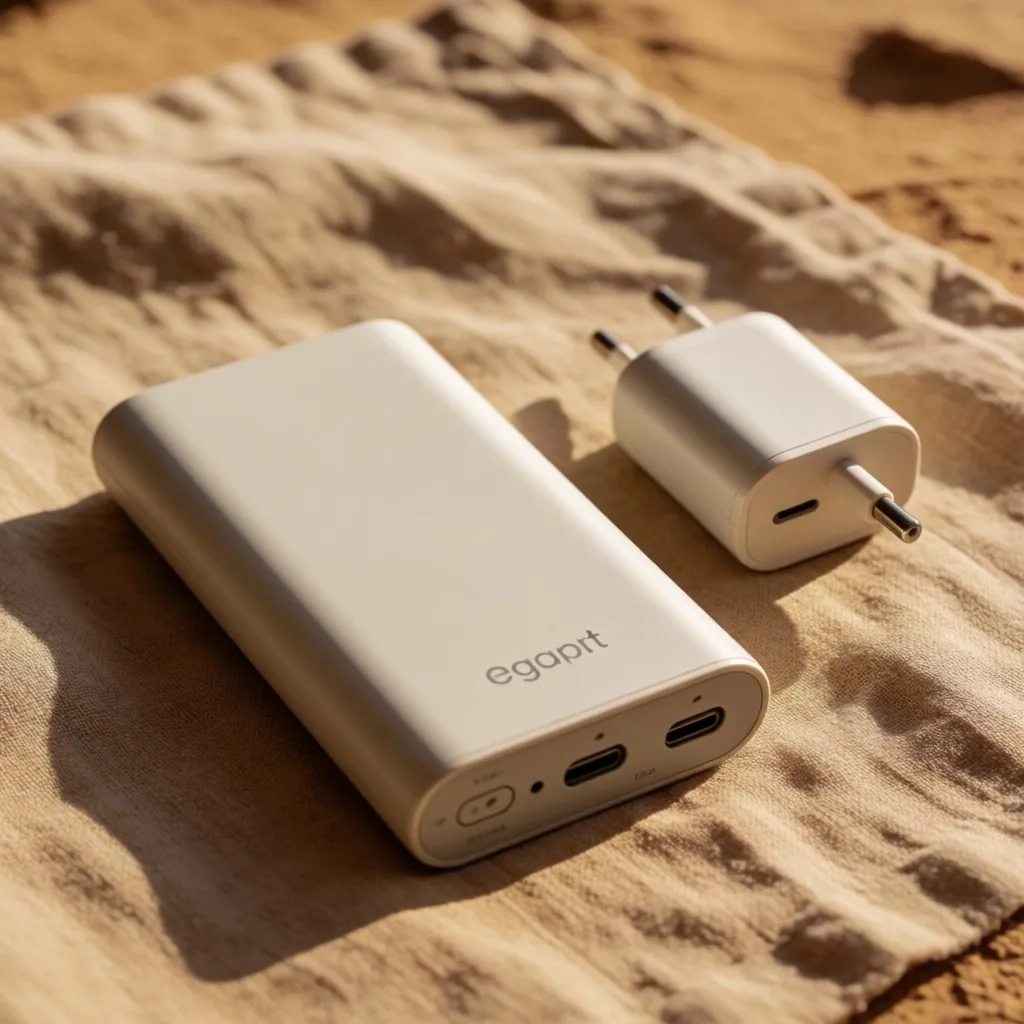
Egypt uses the standard European two-pin plug, Type C and Type F, and operates on a 220V system. A universal adapter is a must for any traveller into Egypt, and a high-capacity power bank is recommended for keeping your phone and camera charged through long days away from power outlets.

If you plan on doing a lot of reading during transit, an e-reader is more space-efficient than multiple physical books. A paper map or guidebook remains a reliable low-tech backup — cell service can be patchy in remote stretches, and a dead battery should not leave you without orientation.

Power Specs
Plug TypeC & F (two-pin)
Voltage220V / 50Hz
Power Bank10,000mAh minimum
AdapterUniversal recommended
Universal travel adapter and power bank on a pale plaster surface in warm light
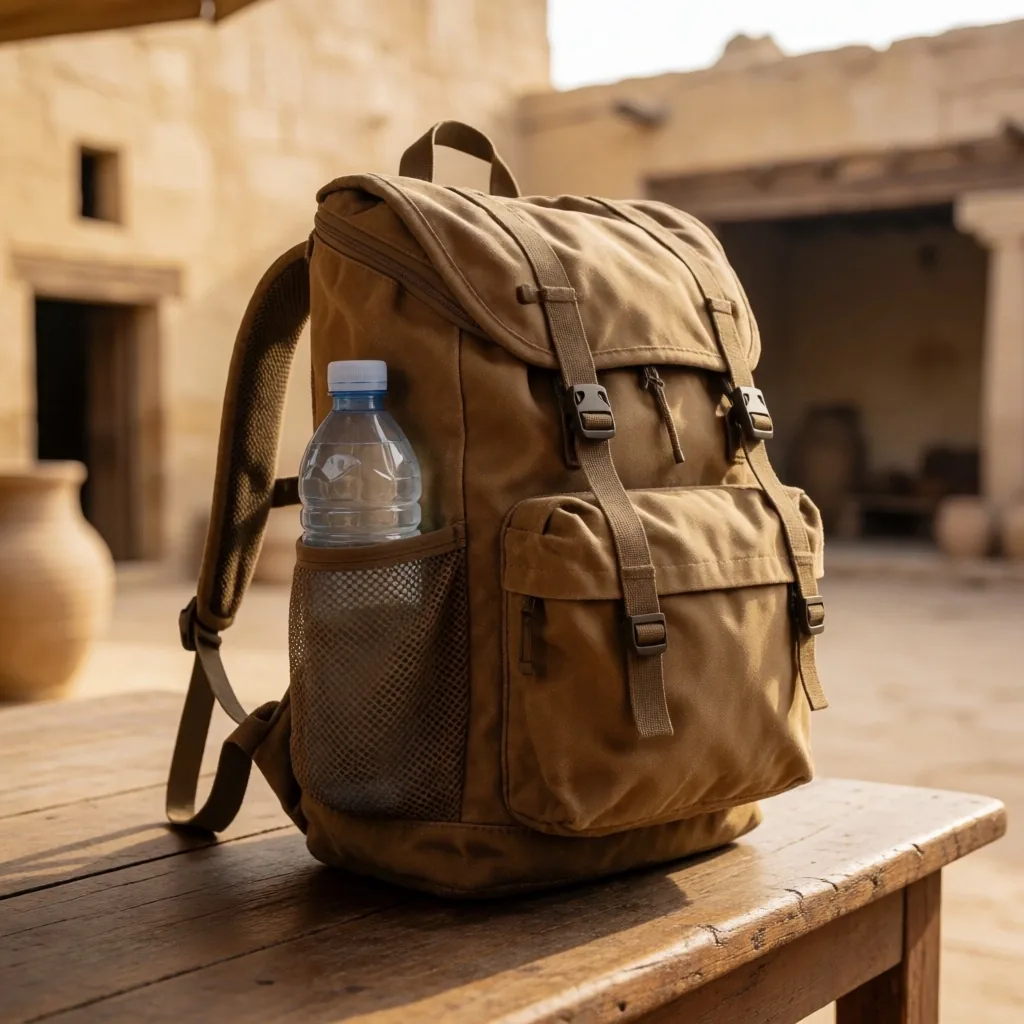
Canvas daypack with mesh water bottle pocket against a sunlit wall
08

Daypack Features

A secure, comfortable daypack is your most important accessory. Look for one with a theft-proof design — zippers that face your back, or use small luggage locks in crowded areas. A pack with an external mesh pocket for a water bottle allows for easy access to hydration without opening the main compartment.

Ensure it is large enough to hold your layers, camera, and the aforementioned scarf, but small enough to be carried comfortably for several hours. A 20 to 30 liter capacity suits most day trips; anything larger becomes a burden in tight market alleys.

  • Lockable zippers or rear-facing openings for security in crowded markets
  • External mesh pocket for water bottle access without unzipping
  • Padded straps and back panel for all-day comfort in heat
  • 20–30 liter capacity to hold layers, camera, and essentials
Part Five

Practical Systems

09

Water Filtration Solutions

To reduce plastic waste, consider bringing a reusable water bottle with a built-in filtration system designed to remove bacteria and protozoa. While bottled water is available everywhere, these filters provide an extra layer of security and allow you to top up from more varied sources without worry.

If you prefer not to use a filter, a simple insulated stainless steel bottle will at least keep your purchased water cool for much longer than a plastic one would — a meaningful comfort when temperatures climb past forty degrees.

A filter bottle pays for itself within a two-week trip and keeps roughly thirty single-use bottles out of the waste stream.
10

Packing for the Baksheesh Economy

While not a physical item to pack, your wallet should be organized to allow quick access to small bills without revealing larger amounts of cash. A small coin purse or a dedicated pocket in your daypack for 5, 10, and 20 EGP notes will make the frequent interactions involving baksheesh — tips for small services — much smoother.

Being organized in this way prevents the stress of fumbling for change in busy transit hubs or markets, where pulling out a large note can attract attention you would rather avoid.

Keep small notes in a separate, easily reachable pocket — larger bills and cards stay in a secure inner compartment.
Continue Planning

Take This Guide Further

Your packing list is one piece of the journey. Pair it with seasonal weather context, lightweight travel strategies, and our full requirements overview to round out your preparation.

Still Deciding What to Pack?

Our team at Egyptian Horizon Guides is available every day to answer specific questions about seasonal gear, regional terrain, and cultural expectations before you depart.

Contact Our Guides Mon–Sun · 08:00–20:00