About Our Mission
Non-commercial travel intelligence for the independent traveller into Egypt — built on informed respect, not sponsored hype.
The best travel experiences come from a place of informed respect rather than commercial hype.
Egyptian Horizon Guides was founded to provide a clear, neutral perspective for the independent traveller into Egypt. In a space often cluttered with sponsored content and official messaging, our focus stays on the permanent features of the country — its geography, its culture, and its logistical realities — rather than fleeting trends or branded attractions.
Our Editorial Philosophy
Travel information should be objective and useful. Our content is written by contributors who have spent significant time on the ground — navigating the same trains, markets, and deserts that you will. We avoid the brochure-speak common in the industry, opting instead for a direct tone that acknowledges both the beauty and the challenges of traveling in North Africa.
By stripping away the superlatives, we allow the reality of the destination to speak for itself. A souq is not described as "vibrant" — it is described by what it sells, when it opens, and how to get there. A desert road is not "breathtaking" — it is described by its surface, its fuel stops, and the hours when cell coverage drops. This directness is our editorial standard.
Free from Commercial Interests
One of our core constraints is the absolute avoidance of brand names and commercial endorsements. This independence ensures our advice is not influenced by affiliate commissions or marketing partnerships.
No vendor rankings
You will not find "top 10 hotels" or "best tour operators" on our pages. We do not rank businesses we have no commercial relationship with, and we do not accept payment for placement in any guide.
No branded recommendations
We describe places by their function and location rather than their commercial branding. A park is a park; a ferry terminal is a ferry terminal. The landscape does not need a sponsor to be worth visiting.
Your budget, your choice
Our goal is to empower you with the knowledge to make your own choices based on your own budget and preferences — rather than funneling you toward specific vendors. We give you the skeleton; you add the flesh.
No sponsored content
If a contributor has a commercial relationship with a business mentioned in a guide, that relationship is disclosed in the text. We do not accept paid articles, native advertising, or "featured" listings dressed up as editorial recommendations.
Focus on the Natural and Cultural
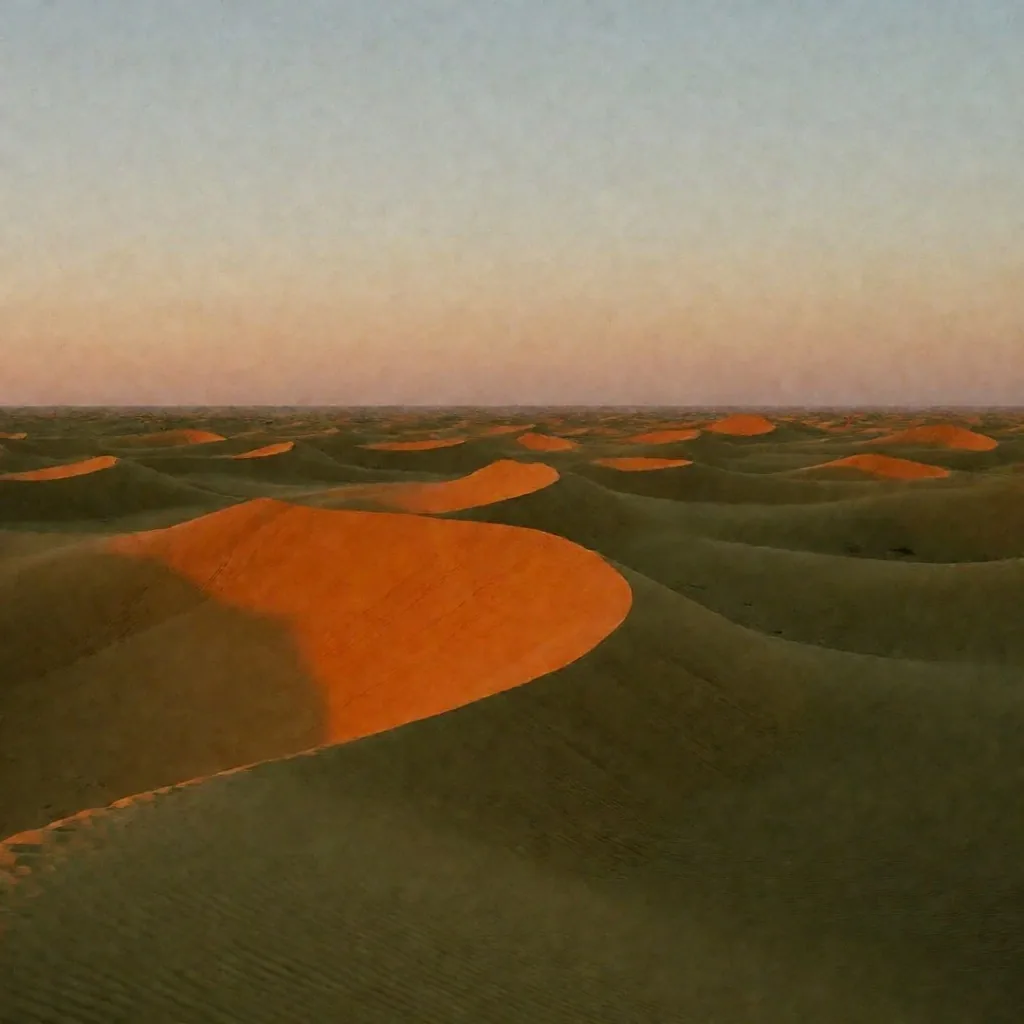
Our egypt travelling guides emphasize the natural world and the long-standing cultural framework of Egypt. The Nile, the Red Sea reefs, and the Sahara dunes are the true attractions. By focusing on how to interact with these environments safely and respectfully, we help travelers build a deeper connection to the land.
We also prioritize cultural literacy — providing the context needed to understand the social signals and traditions that define the Egyptian experience. Why does Friday afternoon carry a different rhythm? What does the call to prayer sound like from a rooftop in Asyut? When does a handshake become an embrace? These are the questions worth answering.
Promoting Responsible Travel
Travel has an impact, and we are committed to making that impact a positive one. Responsible travel is not just a trend for us — it is a fundamental requirement for maintaining the integrity of the destinations we cover.
- Reef-safe sunblock and anchoring guidance
- Waste reduction on desert routes
- Modest dress expectations by region
- Respecting privacy in residential areas
Our guides include specific advice on environmental stewardship. For the Red Sea coast, that means reef-safe sunblock and guidance on where boats are permitted to anchor. For the Western Desert, it means carrying out every piece of packaging you carry in, because the desert does not decompose what you leave behind — it preserves it.
We also advocate for cultural sensitivity. In residential neighborhoods outside the main tourist corridors, visitors are guests in someone's daily life. We encourage travelers to dress modestly, ask before photographing people, and engage with locals in a way that respects their privacy and traditions. A polite refusal is not rudeness — it is a boundary, and recognizing boundaries is part of traveling well.
For a practical breakdown of what to bring and how to behave in specific settings, our cultural etiquette guide and packing essentials cover the details region by region.
Accuracy and Fact-Checking
The logistical landscape of Egypt — visa rules, transit routes, and safety protocols — is constantly shifting. We make a concerted effort to keep our general requirements and getting-around sections updated with the latest administrative data.
While we are not a government entity, we rely on official bulletins and reliable local reports to ensure our information is as accurate as possible. When a train schedule changes, we update the guide. When a ferry crossing suspends service for a season, we note it. When a border crossing requires a new document, we add it to the requirements page.
We encourage our readers to use our travel guides as a foundation and always verify critical details before departure. Administrative rules can shift between the time we publish and the time you arrive — that is the nature of travel, not a failure of the guide.
How to Use This Site
Start with General Requirements to handle your paperwork and visa preparation.
Then read Local Customs to prepare for the social environment you will enter.
Explore regional guides like Coastal Retreats or Desert Exploration based on your interests.
Use Packing Essentials and Transportation Tips as your practical toolkit for the road.
Why We Avoid Official Titles
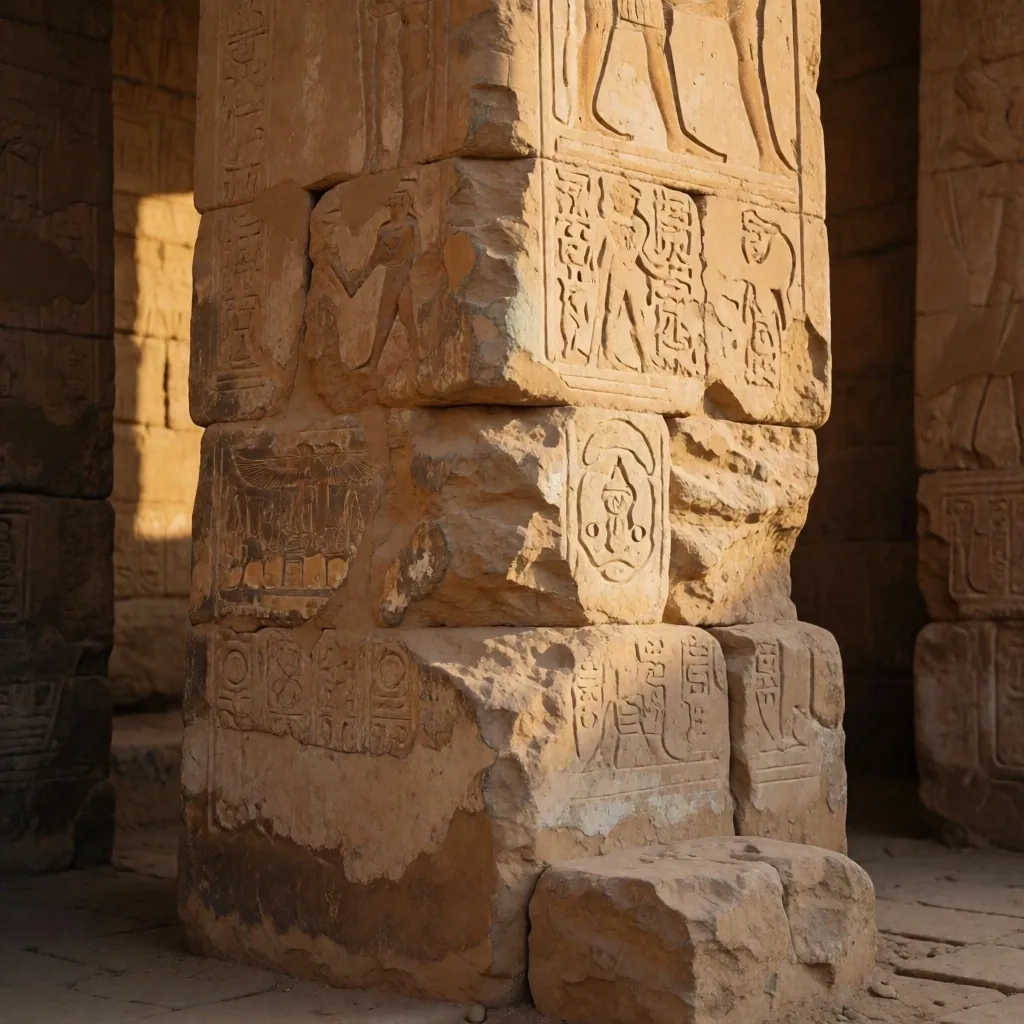
You may notice that we avoid using the official names of many famous institutions or commercial developments. This is a deliberate choice to keep the focus on the experience and the geography rather than the branding.
Whether it is a large park, a new cultural building, or a housing project, we describe these places by their function and location. A riverside promenade is a riverside promenade. A train terminal is a train terminal. The function tells you what you can do there; the location tells you how to find it. The official name tells you neither.
This approach helps the traveller into Egypt develop a more intuitive understanding of the landscape — one that is not dependent on changing official nomenclature. Governments rename things. Developers rebrand them. The geography stays.
Our Vision for the Independent Traveler
We cater to the curious, the adventurous, and the self-sufficient. Our ideal reader is someone who wants to know how to take the local metro, what the wind feels like in the Western Desert, and why the baksheesh system exists.
We provide the skeleton of a trip — the logistics and the context — allowing you to add the flesh through your own unique encounters. This philosophy respects the traveler's intelligence and their desire for an un-packaged experience. We will tell you which microbus line reaches the corniche. We will not tell you what to feel when you get there.
If you are the kind of traveler who reads bus schedules for fun, who carries a paper map even when the phone works, and who prefers a shared coffee with a stranger to a curated experience — our egypt travelling guides are written for you.
Content Continuity
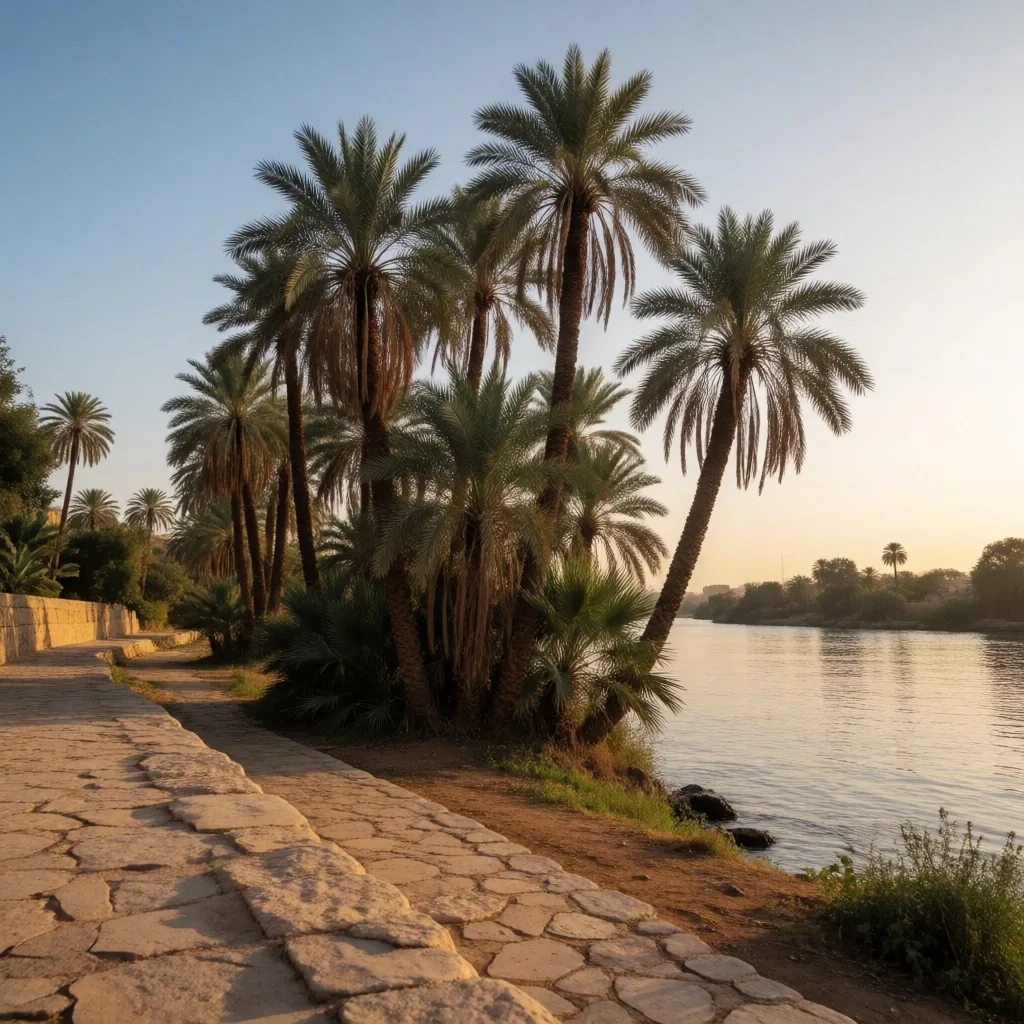
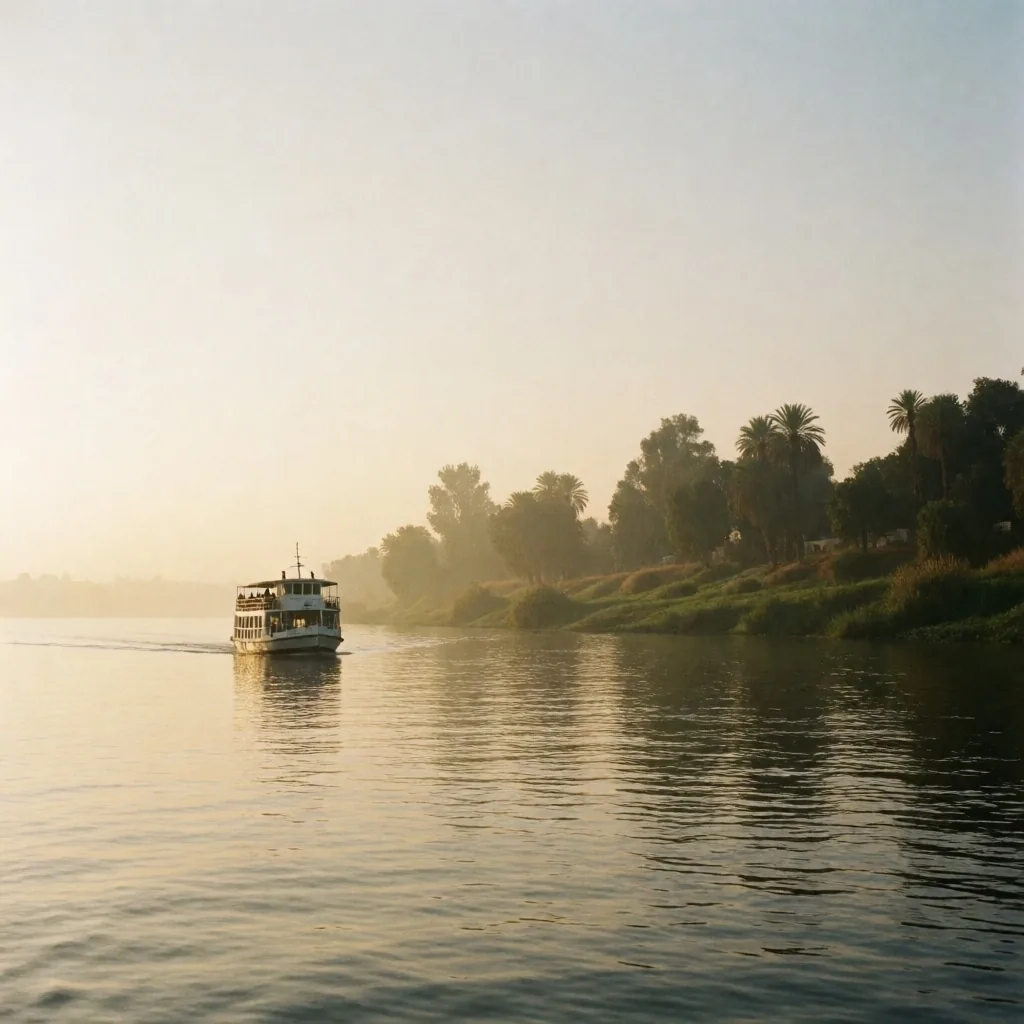
The information on this site is designed to be evergreen. While specific fees or entry procedures may change — and are therefore omitted from evergreen guides — the way the sun sets over the Nile or the social importance of a Friday afternoon prayer does not.
By focusing on these enduring elements, we create a resource that remains relevant long after the latest travel trend has faded. The Nile has been there for twelve thousand years; the recommendation to carry water in the desert has been valid for longer. Our continuity is our strength, providing a reliable reference point for your Egyptian journey.
When we do include time-sensitive details — a road closure, a seasonal ferry, a shifting visa category — we date the entry and update it as conditions change. Everything else is written to last.
Global Standards, Local Heart
While we aim for international standards of clarity and organization, our heart is firmly in Egypt. We celebrate the local way of doing things — the slow coffee, the communal meals, the improvised transit solutions. We do not try to sanitize the Egyptian experience to make it look like a European resort; we present it as it is.
The microbus that picks you up at a corner without a sign is not a failure of infrastructure — it is a system that works because everyone who uses it already knows the route. The coffee that takes forty minutes to arrive is not slow service — it is an invitation to sit. The shop that closes for two hours in the afternoon is not closed — it is resting, and so should you.
This honesty is what we believe our readers value most, and it is what sets our travel guides apart from more conventional sources. We write about Egypt as Egyptians live it, not as a brochure sells it.
Put the mission to work in your planning
Read our editorial guidelines, reach the team with a correction, or scan the full index of regional guides and practical resources.