
Regional Cuisine: A Guide to Dining in Egypt
Egyptian cuisine reflects the country's fertile geography and its position as a crossroads of Mediterranean and Middle Eastern cultures. It is a kitchen built on legumes, grains, and fresh vegetables, with flavors that are hearty rather than spicy. For the traveller into Egypt, the food scene offers everything from quick street-side fuel to slow-cooked communal feasts.
A kitchen built on legumes, grains, and the rhythm of shared meals
Egyptian cooking draws from the fertile Nile valley and the country's long position as a crossroads of Mediterranean and Middle Eastern trade. The result is a cuisine that prizes hearty legumes, slow-cooked grains, and fresh vegetables over heat and spice. Many of the dishes described in this guide have been prepared the same way for generations, shaped by what the land produces and how families gather to eat. Use this page as a practical companion: what to order, where to find it, and how to approach the table with confidence.
Kushari
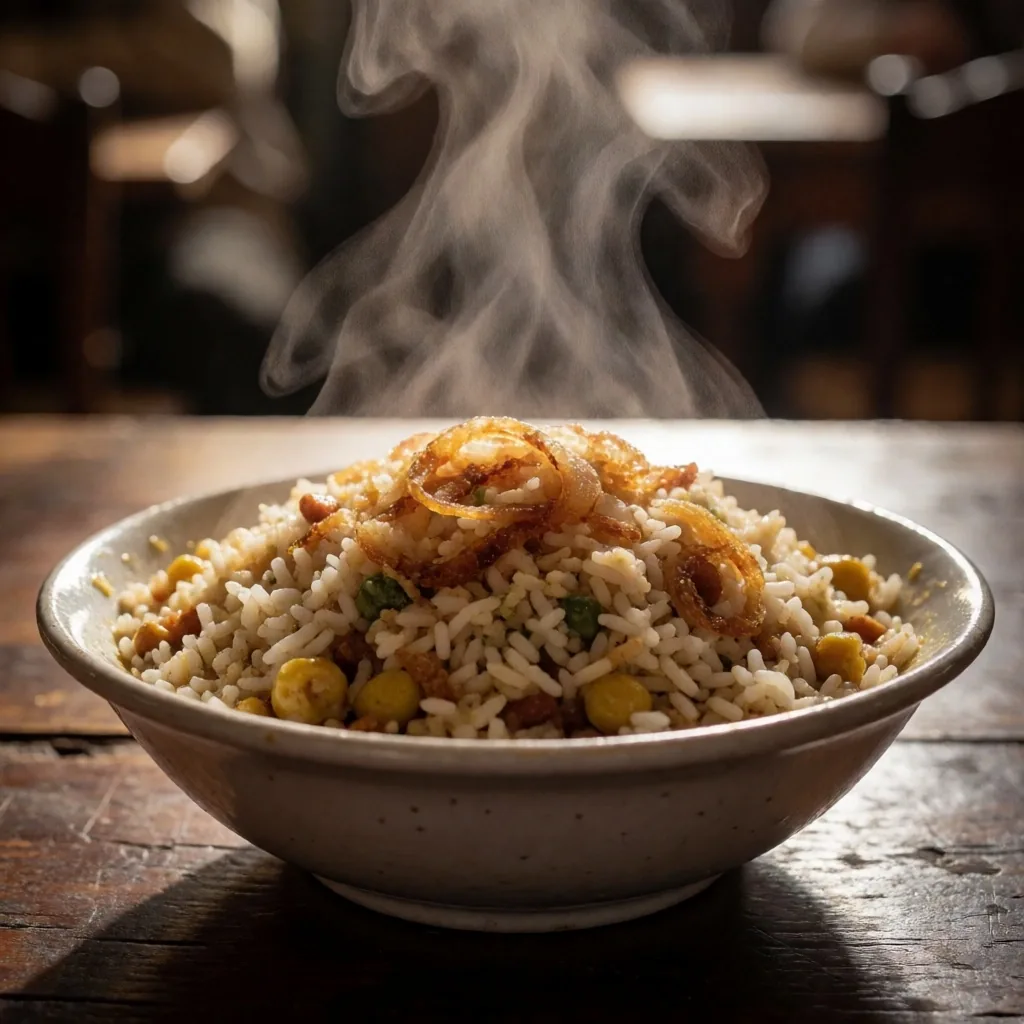
Kushari is the ultimate Egyptian comfort food and a must-try for any visitor. It is a carb-heavy masterpiece consisting of lentils, rice, macaroni, and chickpeas, topped with a zesty tomato sauce and crispy fried onions. It is traditionally served in dedicated kushari shops where the clatter of metal spoons against bowls creates a rhythmic soundtrack.
It is filling, entirely vegetarian, and available on nearly every busy street corner. The dish is assembled to order: a base of rice and lentils, a layer of macaroni, a scoop of chickpeas, a ladle of tomato sauce, and a generous pile of fried onions on top. You can ask for extra sauce or more onions to taste.
Ful Medames
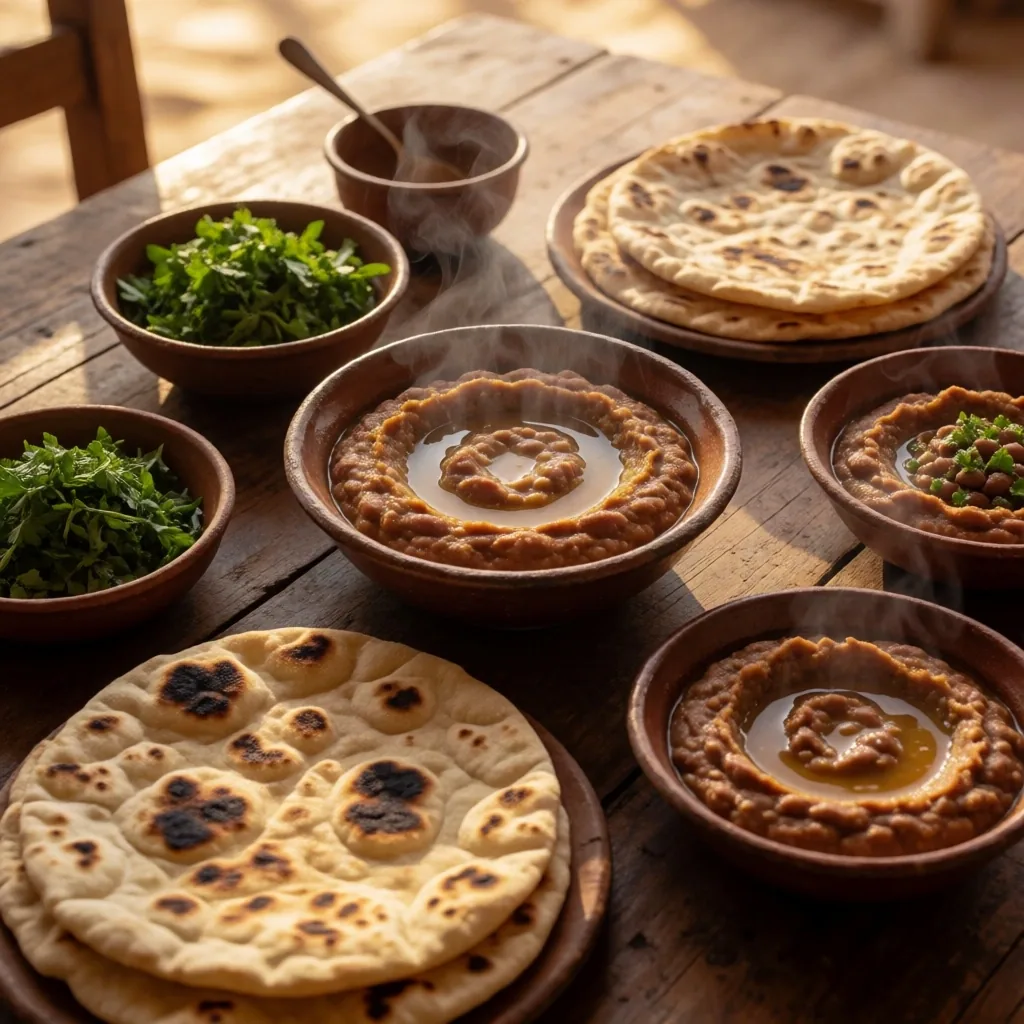
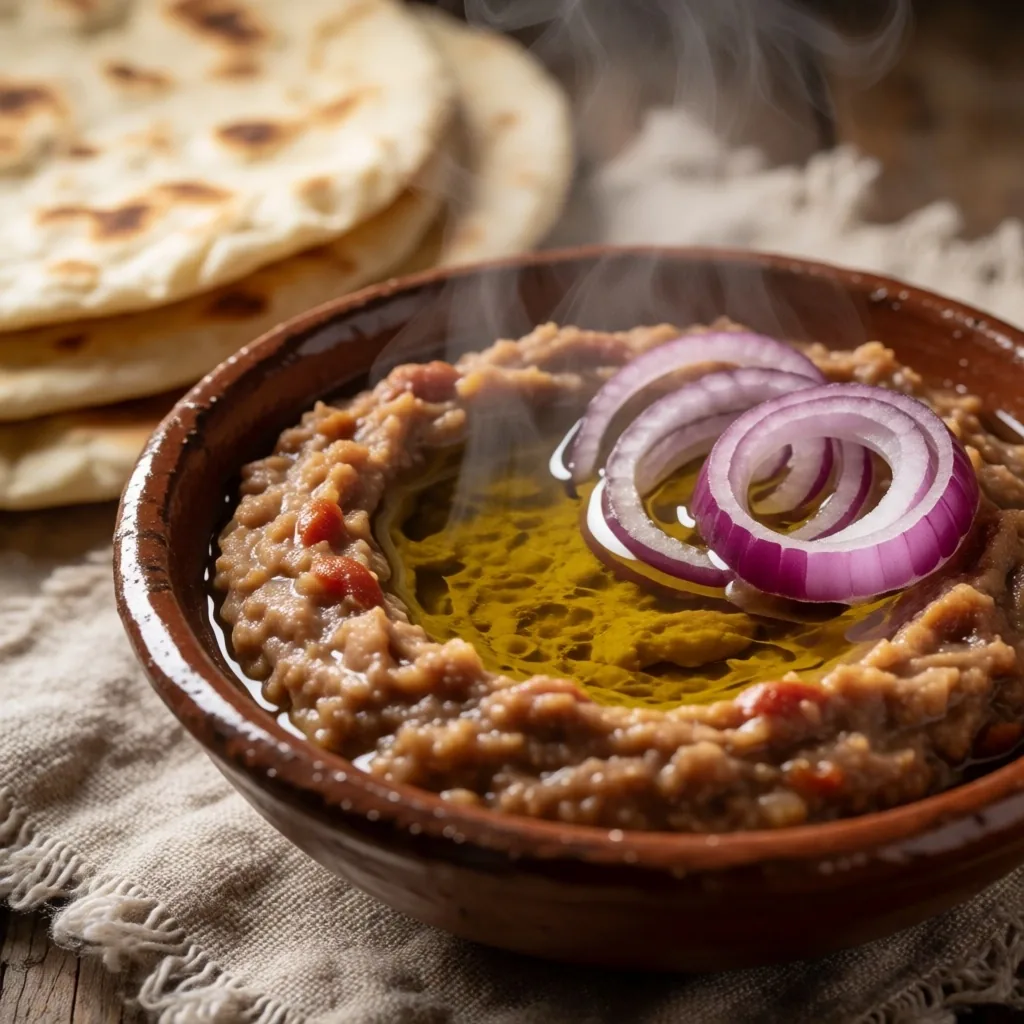
Ful, or stewed fava beans, is the cornerstone of the Egyptian breakfast. The beans are slow-cooked overnight and seasoned with olive oil, cumin, and lemon juice. It is typically served with fresh aish baladi flatbread, which is used as a scoop rather than a side.
Many egypt travelling guides recommend trying it from a street cart, where you can customize your bowl with chopped tomatoes, onions, or a hard-boiled egg. It provides the sustained energy needed for a full day of exploring.
Aish Baladi
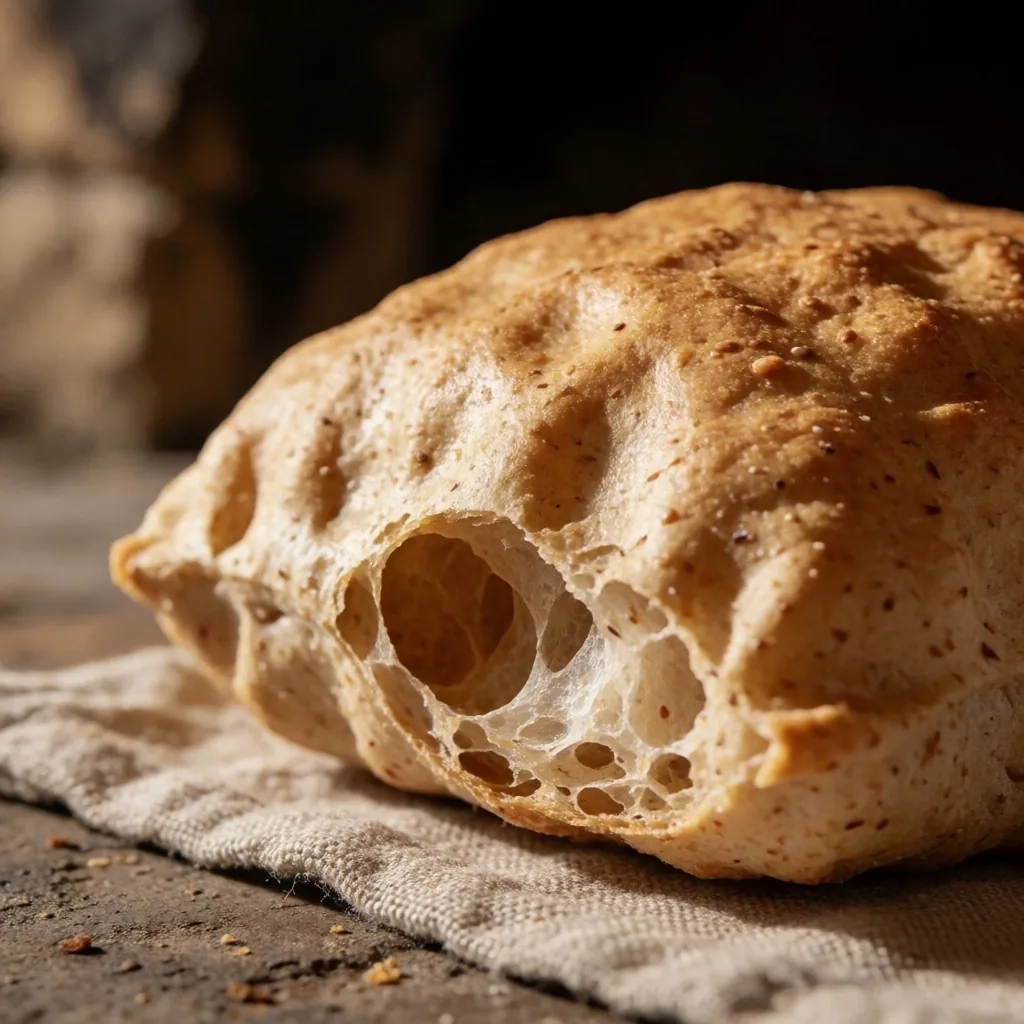
Bread is so central to Egyptian life that its name, 'Aish', literally means "life." This whole-wheat flatbread is baked in high-heat ovens, causing it to puff up and create a pocket. It is present at every meal, serving as both a food item and a utensil.
Watching the bread being delivered on large wooden trays balanced on the heads of bicycle-riding delivery boys is a classic Egyptian sight. Always try to eat it fresh and warm for the best texture and flavor.
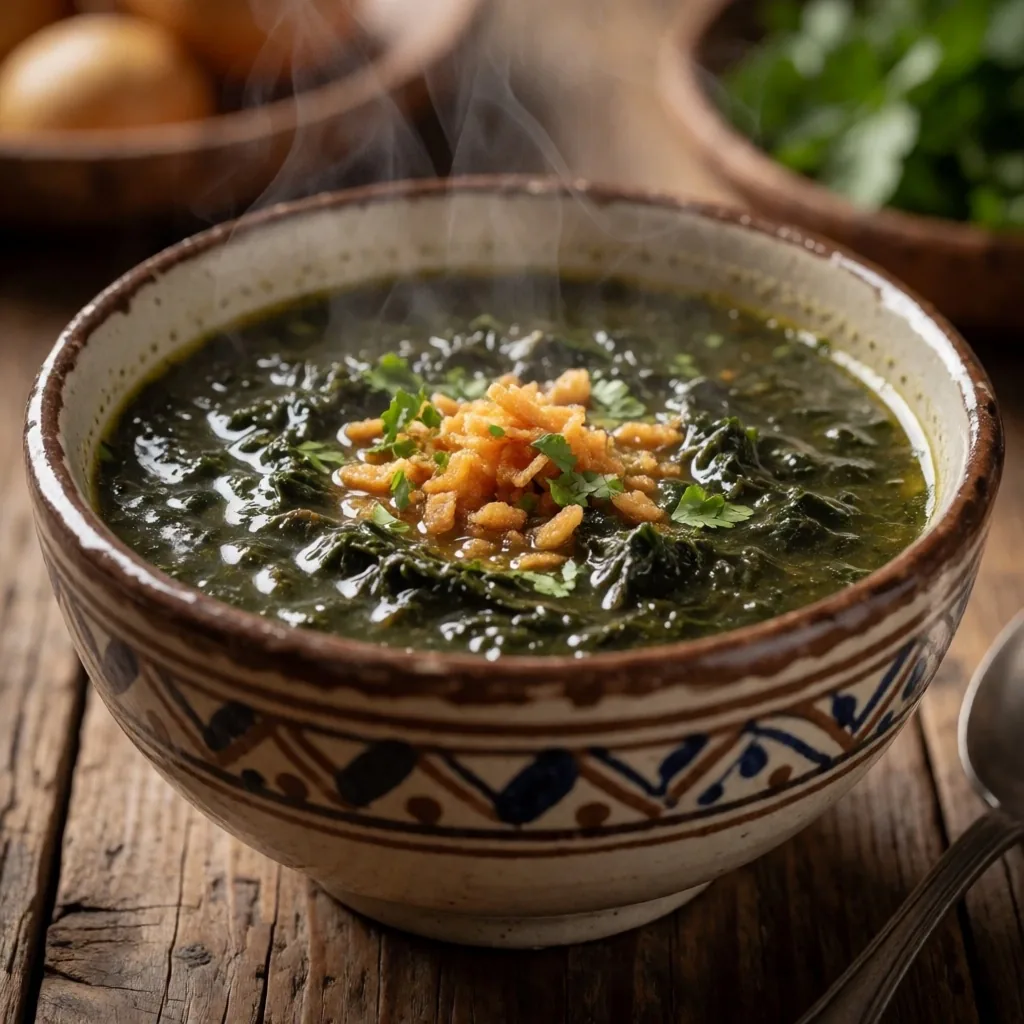
Molokhia: A Beloved National Dish
Molokhia is a distinctive green soup made from the leaves of the jute mallow plant. It has a unique, slightly viscous texture and is flavored with a "tasha" — a sizzled mixture of garlic and coriander cooked in hot oil until the aromatics bloom, then stirred into the pot just before serving.
It is usually served over rice or with pieces of roasted chicken or rabbit. While the texture can be surprising to some foreigners, it is a beloved national dish with deep roots in the country's history. It is a prime example of how Egyptian cuisine utilizes local greens to create complex flavors from simple ingredients.
Ta'ameya and Hawawshi
Two of the most common street foods for the traveller into Egypt on the move. Both are high-flavor, low-cost options that you will find in small shops and carts throughout the day.
Ta'ameya
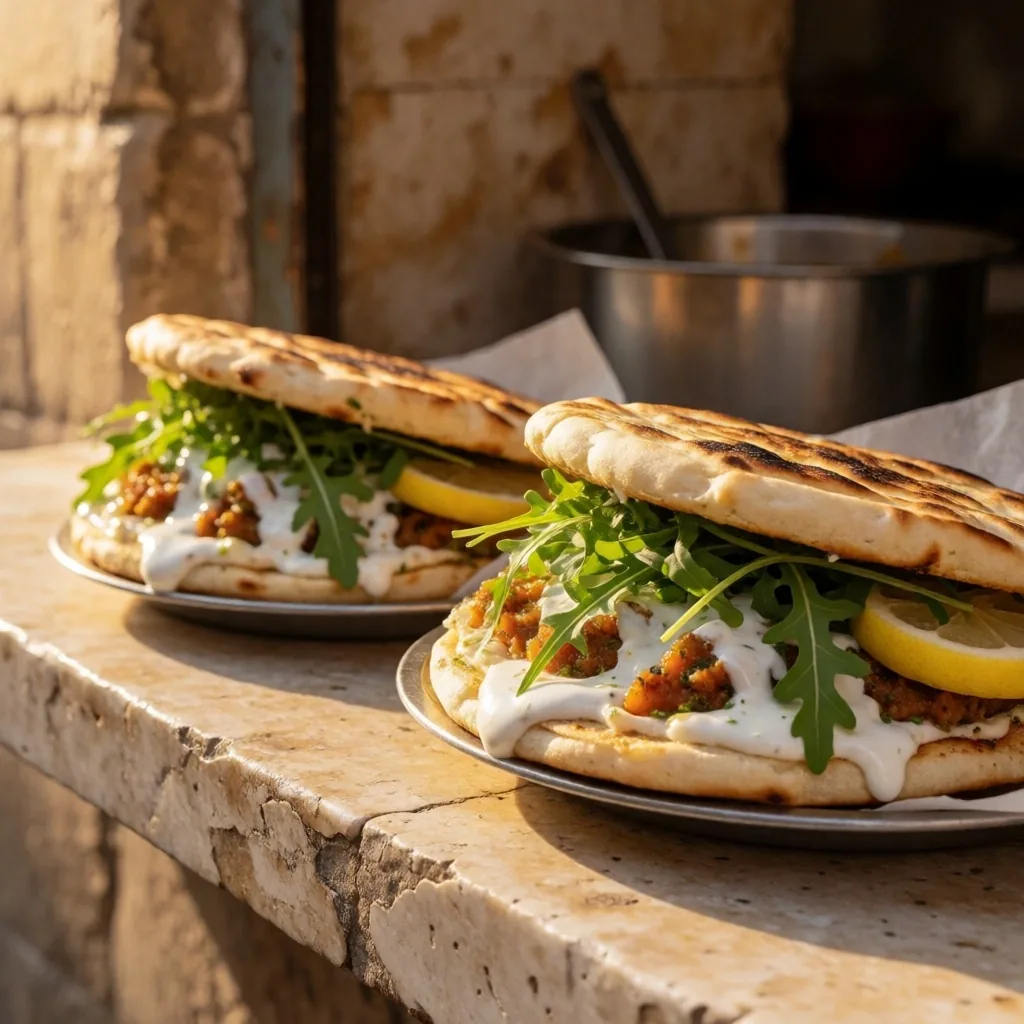
Ta'ameya is the Egyptian version of falafel, but made with crushed fava beans instead of chickpeas, resulting in a lighter, fluffier interior and a vibrant green color from the parsley and herbs mixed into the batter. It is often served as a sandwich with tahini sauce, fresh salad, and a squeeze of lemon, tucked into a half-loaf of aish baladi.
Look for carts where the ta'ameya is fried to order rather than sitting in a display case. The difference in texture is immediate: freshly fried patties are crisp on the outside and bright green inside.
Hawawshi
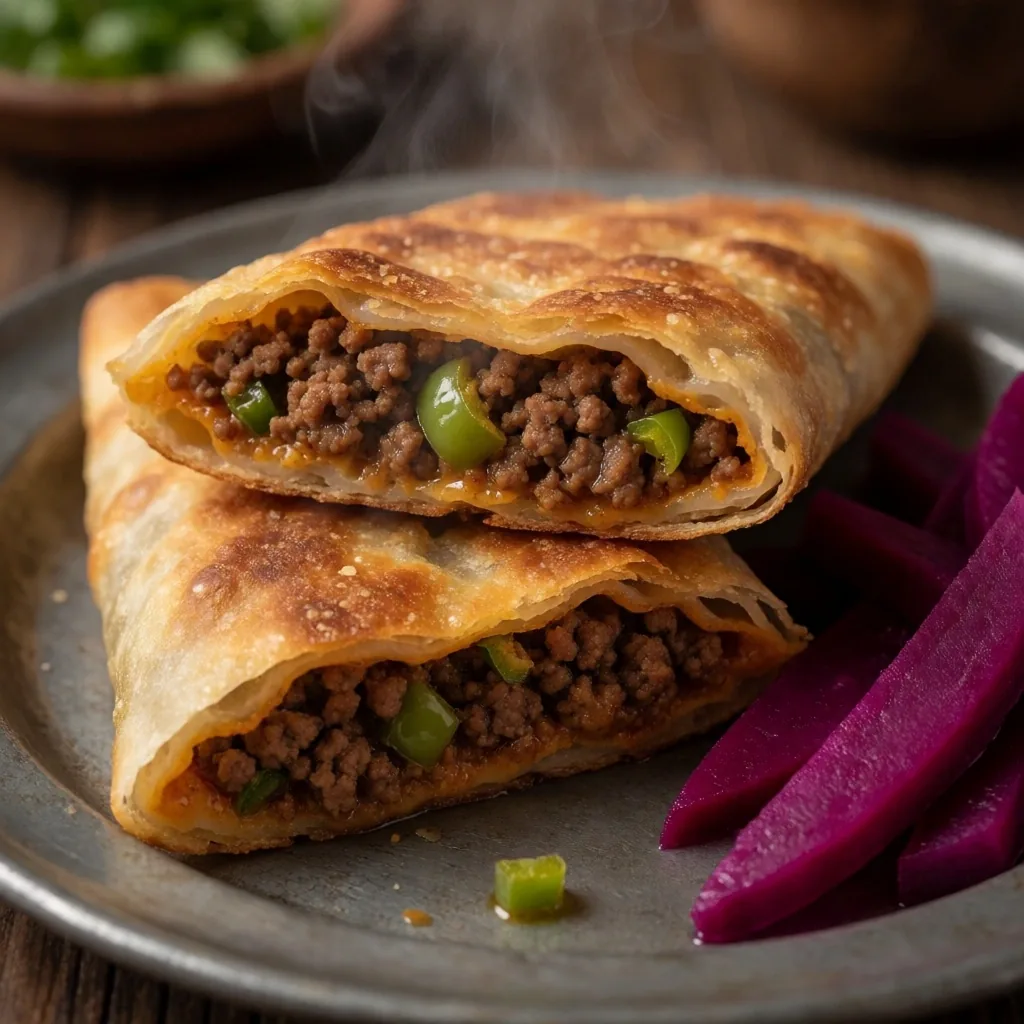
Hawawshi is spiced minced meat — usually beef or lamb — stuffed inside a loaf of flatbread and baked until the bread turns crispy and the meat inside turns juicy and fragrant. Onions, peppers, and chili are often mixed into the filling.
It is heavier than ta'ameya and best eaten hot. Some shops slice it into wedges for sharing; others serve it whole. Either way, it pairs well with a cold drink and a side of torshi pickles.
Seafood in Alexandria
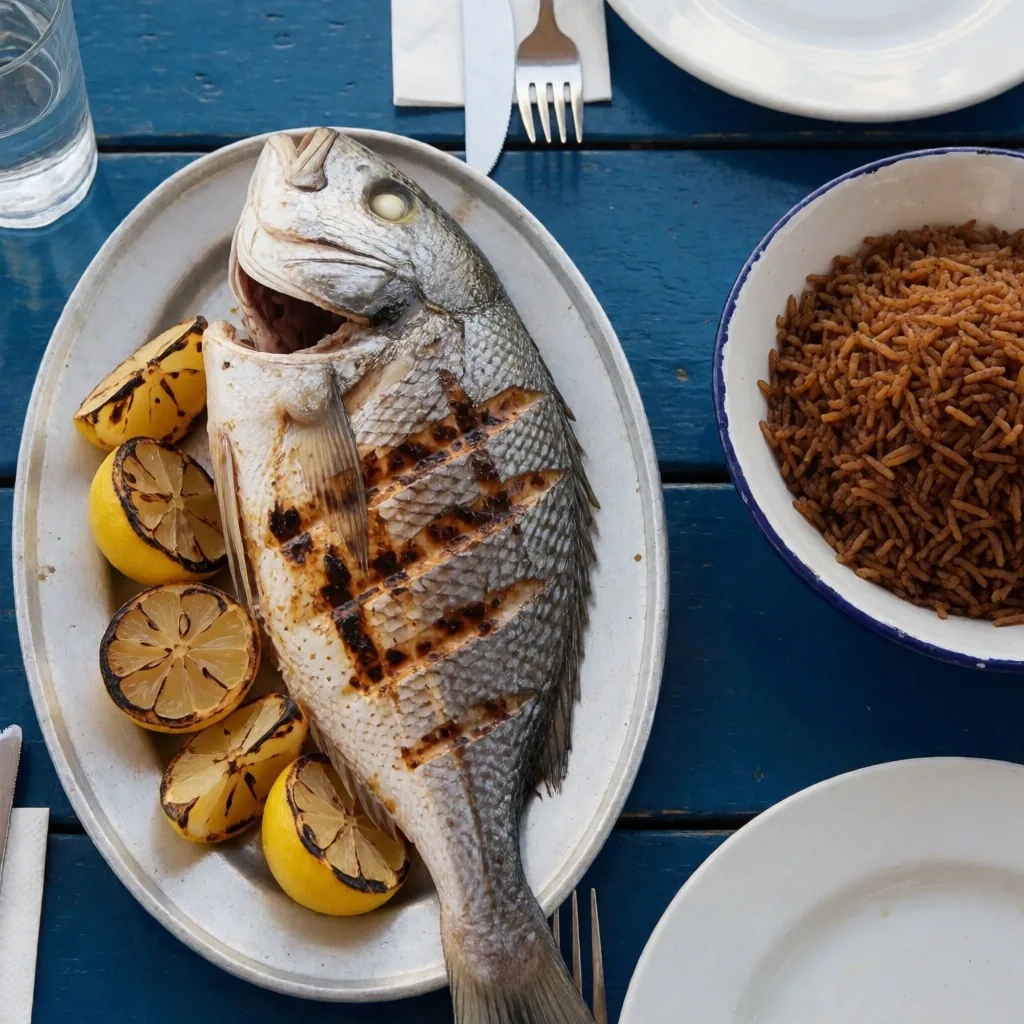
In coastal cities like Alexandria and Suez, the menu shifts toward the sea. The local style involves selecting your fish from a display — usually sea bass, red mullet, or sea bream — and having it grilled with oil and lemon or baked with a spicy tomato sauce in a dish called Siniya.
It is traditionally served with Sayadeya rice, which is cooked with caramelized onions to give it a deep brown color and a savory, slightly sweet flavor. Dining at a waterfront fish restaurant is the quintessential Mediterranean-Egyptian experience, and one of the most memorable meals a traveller into Egypt can have.
Choose your fish by weight from the display. The kitchen will prepare it to your preference. Ask for it grilled if you want the pure flavor of the fish, or baked Siniya-style for a richer, saucier preparation.
The Shared Beginning
An Egyptian meal often begins with a spread of meze. These small dishes provide a fresh contrast to the heavier main courses and are meant to be shared communally, reinforcing the social nature of Egyptian dining.
-
Tahina Sesame paste whipped with lemon and garlic, served with olive oil drizzled on top.
-
Baba Ghanoush Smoky roasted eggplant blended with tahina and lemon.
-
Torshi Brightly colored pickled vegetables that add sharpness to the table.
-
Salata Baladi A simple salad of diced tomatoes, cucumbers, and parsley with lemon and oil.
A Sweet Finish
Egyptian desserts are famously sweet and often feature nuts, honey, and cream. For a lighter finish, fresh seasonal fruits like figs, pomegranates, or Egyptian mangoes are hard to beat when in season.
-
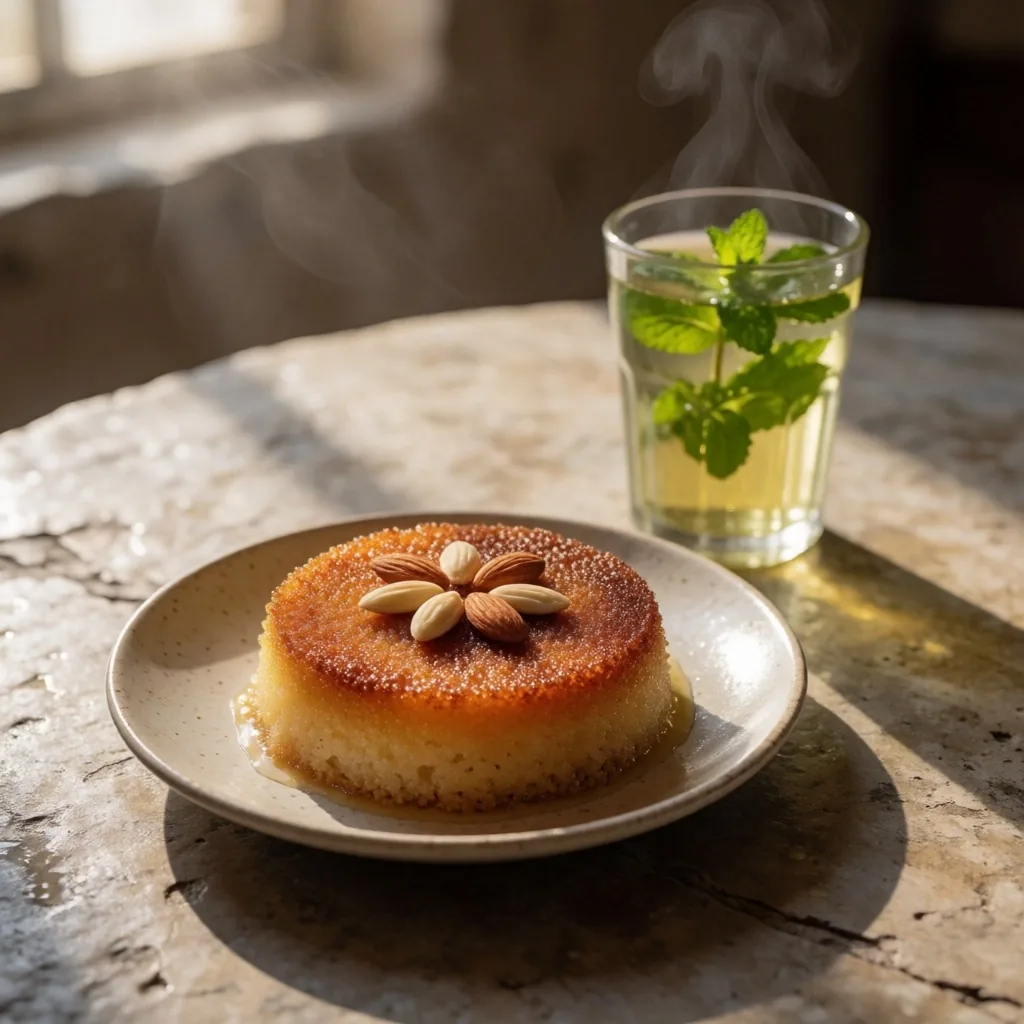
Basbousa A semolina cake soaked in syrup, often topped with a single almond.
-
Kunafa Thin, noodle-like pastry layered with cheese or cream and soaked in sweet syrup.
-
Om Ali A warm winter pudding of puff pastry, milk, nuts, and raisins, served hot.
The National Pastime
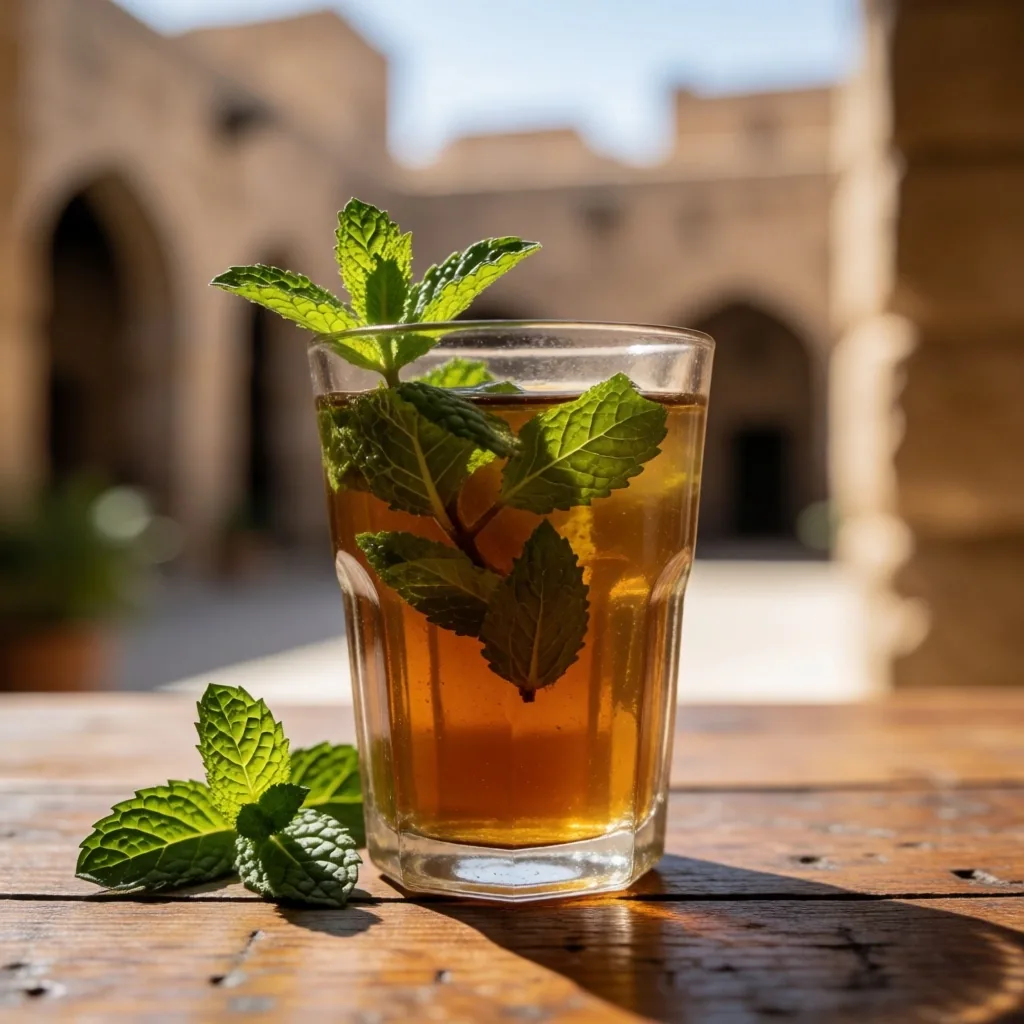
Drinking tea, or shay, is a national pastime. It is usually served strong and sweet in small glasses, sometimes with a sprig of fresh mint. You will find it everywhere — in homes, offices, shops, and roadside stops — and being offered a glass is a basic gesture of hospitality.
Ahwa, or Egyptian coffee, is similar to Turkish coffee: brewed in a small pot and served with the grounds settled at the bottom. You must specify your sugar level when ordering — Sada for no sugar, Mazbout for medium, and Zyada for extra sweet. The sugar is added during brewing, not after.
Spending an hour in a local ahwa, or coffeehouse, watching the world go by is an essential part of the egypt travelling guides experience. These are social spaces where friends meet, games are played, and news is exchanged. Order a tea, find a chair facing the street, and settle in.
Dining Customs and Hygiene
A few simple habits will help you navigate the Egyptian table with ease and avoid the digestive issues that can interrupt a trip. Follow these steps and you can enjoy the culinary landscape without interruption.
Pace of Service
When dining out, it is common for service to be relaxed, reflecting the local pace of life. Do not expect rushed or sequential courses. Meals arrive when they are ready, and lingering after you finish is expected and welcome.
Tipping (Baksheesh)
A tip of around 10% is expected in sit-down restaurants even if a service charge is already included on the bill. For small street-side meals, rounding up or leaving a few pounds is appreciated. Keep small notes on hand for this purpose.
Choosing Where to Eat
Eat at places with high turnover to ensure the food is fresh. A busy kushari shop or a crowded ful cart means ingredients move quickly and nothing sits for long. Empty restaurants at peak hours are a sign to keep walking.
Water and Drinks
Avoid tap water and ice in drinks. Stick to sealed bottled water for both drinking and brushing teeth. Hot tea and coffee are generally safe since the water is boiled, but cold beverages with ice from an unknown source are not worth the risk.
Fresh Produce
Stick to fruits that you can peel yourself — bananas, oranges, mangoes — to minimize the risk of digestive upset. Salads washed in tap water are best avoided unless you are confident in the establishment's hygiene practices.
Related Travel Guides
More practical advice for the traveller into Egypt, from navigating local customs to packing for the climate.